Basketball training is the foundation of skill development for athletes of all levels. Whether you’re a beginner or a seasoned player, structured basketball training can enhance your game by improving physical, mental, and tactical skills. This blog will explore the significance of basketball training and its essential role in shaping well-rounded players.
Why Basketball Training is Crucial for Success
Basketball is a dynamic sport that demands a combination of technical skills, physical endurance, and mental fortitude. To succeed in the game, athletes need to refine their basketball training to improve their shooting accuracy, ball-handling skills, defense, and overall performance. Without consistent training, players cannot expect to reach their full potential.
Basketball training not only helps players gain expertise in these key areas but also enables them to apply techniques effectively during live games. As players continue training, they develop a deep understanding of the game’s strategies, which is vital for competitive play.
Building Key Basketball Skills Through Consistent Training
The primary goal of basketball training is to develop the core skills required for success on the court. These skills include ball-handling, shooting form, passing accuracy, defense, and court awareness.
- Ball-handling: Effective ball control is essential for any player. Basketball training focuses on developing the ability to dribble smoothly, change directions quickly, and maintain possession in high-pressure situations.
- Shooting: Shooting drills improve accuracy, consistency, and range. Through basketball training, players learn proper shooting mechanics, which helps them become more reliable scorers.
- Passing: Accurate and timely passing is crucial to a team’s success. Training teaches players how to deliver crisp, strategic passes to teammates, enabling better ball movement.
- Defense: Strong defensive skills are developed through specific drills that focus on footwork, positioning, and anticipation. Good defense can make or break a game.
By consistently practicing these skills, athletes can ensure they are prepared for any in-game scenario.
How Basketball Training Enhances Mental Toughness
While physical skills are crucial in basketball, mental toughness often distinguishes good players from great ones. Basketball training also includes developing mental strength to withstand the pressures of competitive play. This involves improving focus, confidence, decision-making, and adaptability.
Players who undergo basketball training learn how to stay calm under pressure, bounce back from mistakes, and maintain a positive mindset even in challenging situations. This psychological resilience is essential for long-term success in the sport.
The Role of Basketball Training in Physical Conditioning
Basketball is a physically demanding sport that requires stamina, strength, and agility. Physical conditioning is an integral part of basketball training, ensuring players can endure the intensity of the game.
- Endurance: Training programs often include cardio exercises to enhance endurance, allowing players to maintain high performance throughout the game.
- Strength: Weight training and resistance exercises are used to build strength, which is critical for physical contact, rebounding, and finishing plays.
- Agility: Agility drills, such as ladder exercises and cone drills, improve players’ ability to move quickly and change direction without losing control.
Incorporating these elements into basketball training ensures players can perform at their peak physical level.
How Consistent Basketball Training Leads to Long-Term Growth
Athletes who commit to consistent basketball training tend to see steady improvement over time. Repetition and muscle memory are key to mastering complex movements and improving performance.
Training also plays a role in injury prevention. Through proper conditioning and technique correction, players reduce the risk of injuries caused by poor form or muscle imbalances. Regular training sessions help players stay in peak physical condition, keeping them healthier throughout their basketball careers.
By dedicating time to regular practice and training, athletes not only enhance their skills but also establish a routine that supports growth and injury prevention.
The Importance of Professional Guidance in Basketball Training
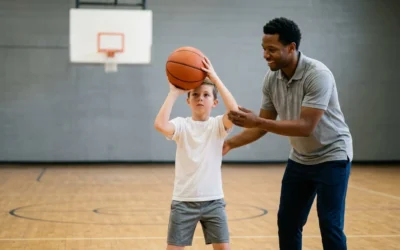
While self-training is valuable, having a coach or professional guide during basketball training can significantly accelerate a player’s development. Coaches provide expert feedback, correct form, and adjust training programs based on individual needs and skill levels.
Working with a qualified coach ensures athletes receive the right drills, structured programs, and personalized attention. Coaches also introduce players to advanced techniques that may not be easily learned through self-practice alone.
You can learn more about how professional training can elevate your game.
Conclusion: Maximize Your Basketball Potential Through Training
In conclusion, basketball training is essential for players who want to improve their skills, increase their physical fitness, and develop mental toughness. By dedicating time and effort to training, athletes lay the groundwork for success both on and off the court. Consistent practice, professional guidance, and a commitment to improvement are crucial to reaching the next level of performance.
Remember, skill development takes time, but with the right approach to basketball training, players can unlock their full potential and enjoy long-term success in the game.
You may find this blog valuable too “Breaking Down the Core Basketball Skills for Players of All Levels”


0 Comments