Basketball is a dynamic sport that requires a diverse set of skills to succeed, regardless of your experience level. From mastering basic techniques to fine-tuning advanced maneuvers,
basketball skills are essential for players of all levels. Whether you’re a beginner just starting to learn the game or an advanced player looking to perfect your craft, understanding the core skills of basketball can help elevate your game. In this blog, we’ll explore the fundamental
basketball skills that every player needs to master while offering tips for continual improvement.
1. Dribbling: A Fundamental Basketball Skill for All Players
One of the most crucial
basketball skills every player must master is dribbling. Dribbling involves using your hands to bounce the basketball while moving around the court. A good dribbler is not only in control of the ball but can also evade defenders and create scoring opportunities. To become proficient at dribbling, players need to focus on maintaining a low stance, keeping their eyes up, and using both hands effectively. Practicing
basketball skills like crossover dribbles, behind-the-back dribbles, and spin moves will also help players become more versatile with the ball. Dribbling should be practiced in various game scenarios.
Basketball skills such as change of pace, sharp cuts, and using the dribble to set up offensive plays are important to develop as well.
2. Passing: A Key Basketball Skill to Build Team Play
Passing is an essential
basketball skill that promotes team-oriented play. A great passer can break down defenses and create scoring opportunities for teammates. Whether it’s a chest pass, bounce pass, or overhead pass, mastering these techniques is necessary for effective ball movement. Passing should be accurate, quick, and done with purpose.
Basketball skills like timing the pass, reading the defense, and maintaining good body position will enhance a player’s ability to make effective passes. In team situations, players should practice passing on the move, off the dribble, and out of double-teams to prepare for in-game scenarios.
3. Shooting: The Ultimate Basketball Skill to Score Points
Shooting is undoubtedly one of the most important
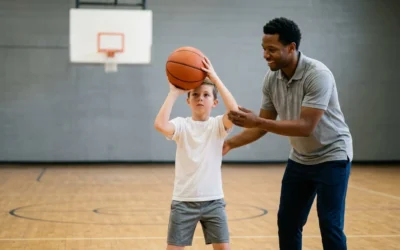
basketball skills players need to develop. Being able to consistently score points is a key component of basketball success. Whether you’re shooting a jump shot, layup, or three-pointer, every player needs to work on shooting mechanics. Key aspects of shooting include balance, hand placement, follow-through, and focus.
Basketball skills such as proper footwork to set up shots and shooting with consistency can significantly impact a player’s performance. Practice shooting from various spots on the court, under different conditions, and in game-like situations for the best results.
4. Defense: Mastering Defensive Basketball Skills
Good defense is just as important as scoring in basketball. Defensive
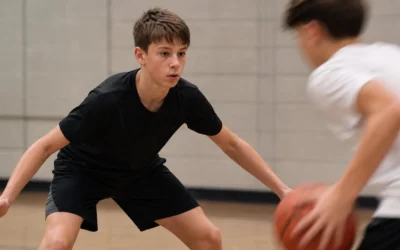
basketball skills are often overlooked, but they are crucial for limiting your opponent’s offensive opportunities. A strong defender must master concepts such as footwork, anticipation, positioning, and staying low to the ground. Practicing defensive stance and lateral movement is essential to keeping the ball handler in front of you.
Basketball skills like blocking shots, creating turnovers, and reading offensive plays will elevate your defensive game. Working on defensive drills like 1-on-1 defense, help defense, and closing out on shooters will help players become more well-rounded defenders.
5. Rebounding: A Crucial Basketball Skill for Both Ends of the Court
Rebounding is a critical
basketball skill that plays a major role in both offense and defense. A good rebounder has the ability to gain possession of the ball, whether it’s from a missed shot or as part of an offensive play. Understanding positioning, timing, and physicality is key to successful rebounding. To improve rebounding, players should work on jumping timing, boxing out, and tracking the ball off the rim.
Basketball skills like using body positioning to gain an advantage and securing the ball after the rebound can help players gain valuable possessions for their team.
6. Court Awareness: Essential for All Basketball Skills
Court awareness is a vital
basketball skill that allows players to read the game effectively. This involves understanding where teammates are on the court, anticipating the movements of opponents, and knowing when to make quick decisions. A player with high court awareness can make better passes, take smarter shots, and play more effective defense. Improving court awareness requires practice in game-like situations. Players should focus on scanning the court constantly, looking for openings and opportunities.
Basketball skills like recognizing mismatches, understanding team dynamics, and making quick, accurate decisions come with experience and practice.
7. Basketball Conditioning: The Foundation for Developing All Basketball Skills
No matter how skilled a player is, physical conditioning is essential to performing well on the court.
Basketball skills like endurance, agility, speed, and strength are all linked to a player’s fitness level. A well-conditioned player can sustain their effort throughout a game, making them more effective in both offense and defense. Incorporating agility drills, sprints, and strength training into your routine will enhance your overall athletic ability. Improving cardiovascular fitness will help players maintain energy levels throughout the game. These
basketball skills are vital for being able to execute moves at a high intensity, especially when fatigue sets in.
Conclusion
Mastering core
basketball skills is the key to becoming a successful player, regardless of your experience level. From dribbling and passing to shooting and defense, each skill plays a vital role in helping athletes perform at their best. Remember, the road to mastery requires consistent practice, self-discipline, and the willingness to improve. By focusing on these fundamental
basketball skills, players can unlock their full potential and elevate their game on the court. For further details on enhancing your basketball performance and mastering these core skills, check out this
guide that dives deeper into advanced training techniques. Also, you can
learn how basketball teaches life-changing principles and habits for success both on and off the court.

0 Comments