Ask coaches what separates the players who consistently make the right play from those who don’t, and skill or athleticism rarely comes up first. Basketball IQ, the ability to read a situation and make the right decision quickly, is one of the most valued qualities at every level of the sport, and it’s also one of the most misunderstood, often treated as something a player either has or doesn’t.
This guide covers what basketball IQ actually means, and how it’s genuinely built through specific, deliberate experience rather than left to chance.
What Basketball IQ Actually Is
It’s the ability to read a situation on the court and choose the right response, quickly and consistently. This includes recognising defensive coverages, understanding spacing, knowing when to pass rather than shoot, and anticipating where the game is heading a step before it actually gets there.
It’s not the same as basketball knowledge in the abstract. A player can know the rules and understand plays conceptually without being able to apply that understanding quickly and correctly in the flow of a live game, which is the actual test of genuine basketball IQ.
It’s considerably more learnable than the “you either have it or you don’t” framing suggests. While some players do seem to pick it up faster naturally, deliberate, structured exposure to game situations builds this skill in players who don’t come by it instinctively, given enough of the right kind of repetition.
Why It Matters as Much as Physical Skill
A player with strong basketball IQ makes their teammates better, not just themselves. Good decision-making, finding the open teammate, recognising a mismatch, playing within the flow of the offense, elevates the whole team’s performance in a way individual skill alone doesn’t.
It becomes relatively more important as players move up in competitive level. At higher levels, where the athletic and skill gap between players narrows, decision-making and court awareness increasingly become the differentiator between players who earn significant playing time and those who don’t.
It’s also one of the more durable skills over a long career. Physical tools can change, for better or worse, with growth, injury, or simply aging, but genuine basketball IQ, once developed, tends to stay with a player and continues compounding with experience.
How Basketball IQ Is Actually Built
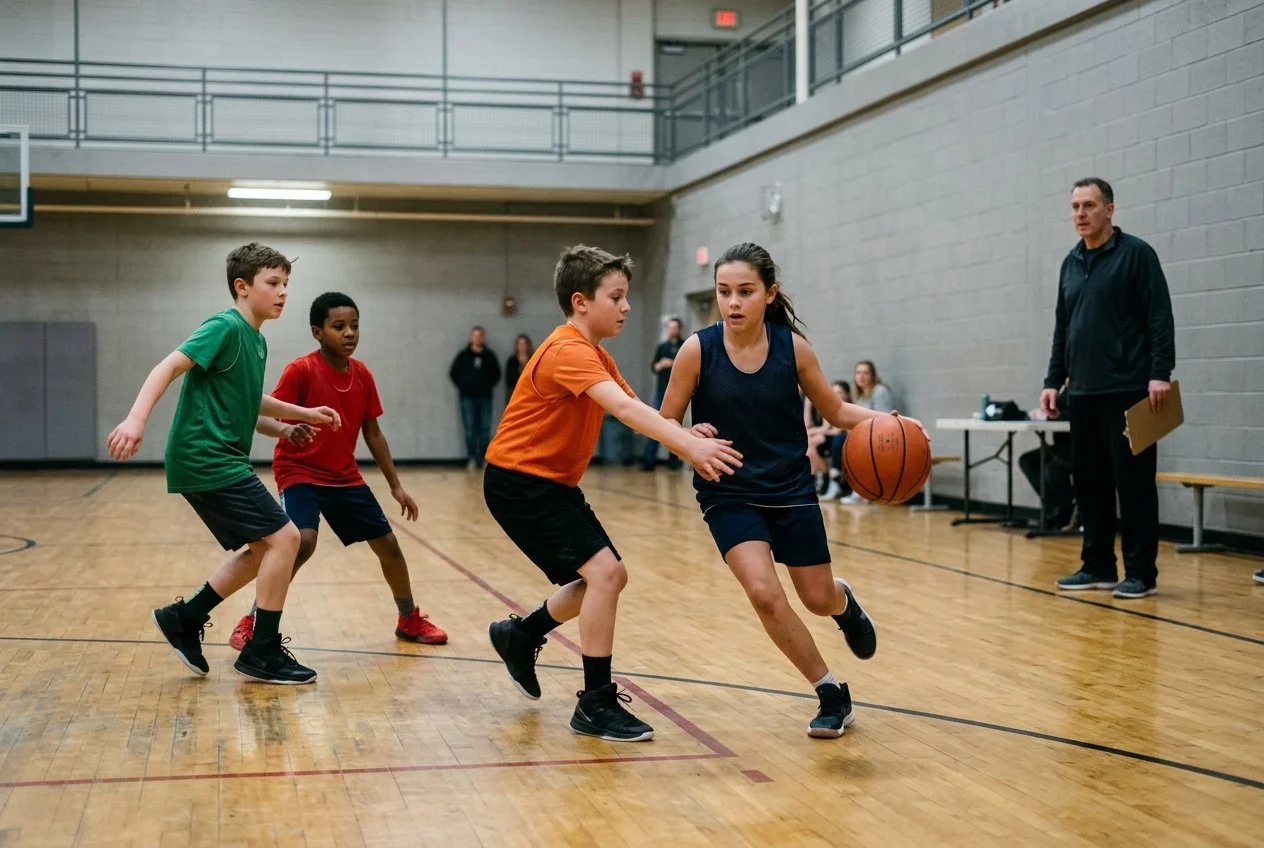
Small-sided games, like three-on-three, force more decisions per player than a full five-on-five game does. With fewer players on the court, each individual touches the ball more often and faces more decision points, which accelerates the specific kind of repetition that builds game sense.
Constraint-based drills, where a specific decision-making element is deliberately restricted, force players to problem-solve rather than default to habit. A drill limiting the number of dribbles allowed, for example, forces quicker decision-making and better court reading than an unrestricted drill would.
Watching basketball actively, not just passively, particularly at a slightly higher level than the player currently competes at, builds a mental library of situations and responses that a young player can draw from during their own games.
Film review of a player’s own games, even informally, helps connect what they experienced in the moment with what was actually happening around them, building the kind of self-aware court reading that improves decision-making over time.
What Coaches and Parents Can Do
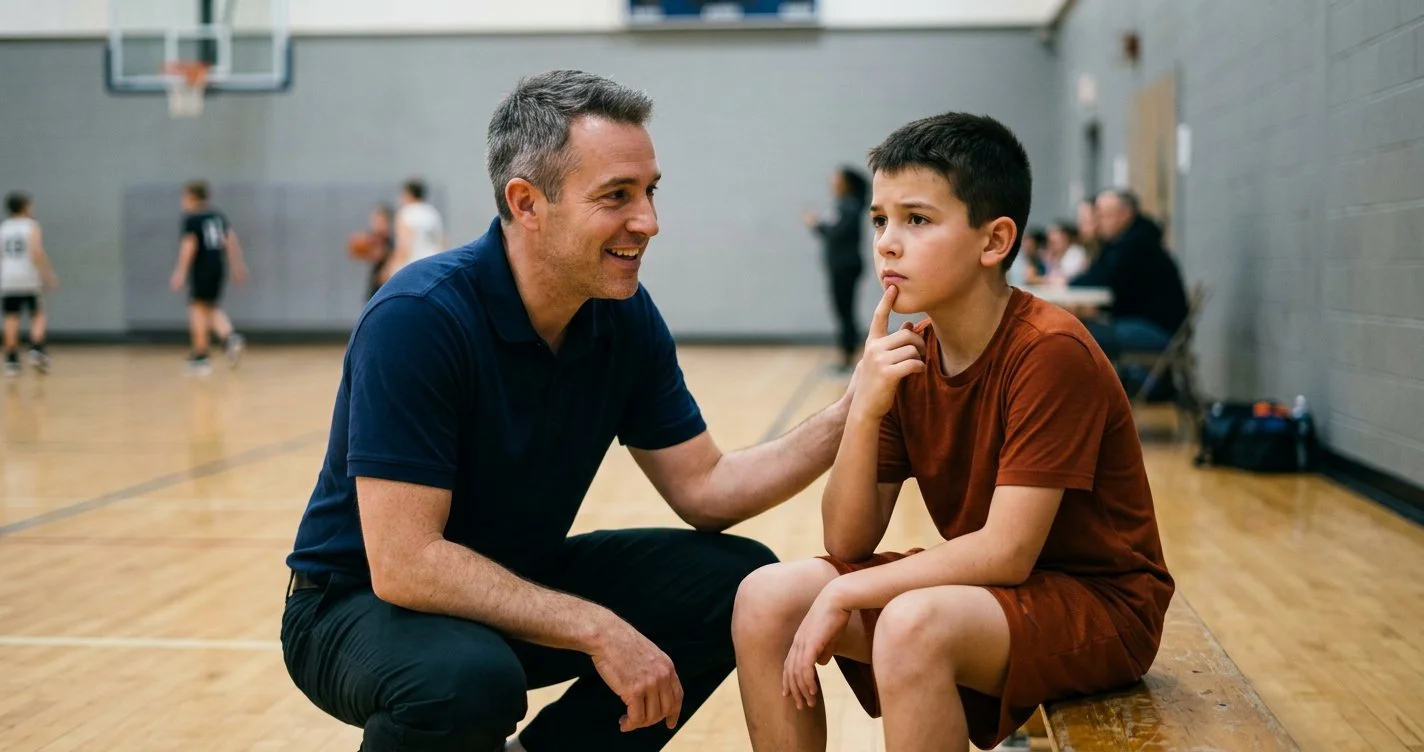
Ask questions rather than only giving answers. “What did you see there” or “what were your options in that moment” prompts a player to actually think through the decision-making process themselves, rather than simply being told the right answer, which builds the habit of independent court reading.
Create game-like pressure in practice, not just isolated skill work. Basketball IQ is specifically about decision-making under the pressure and unpredictability of a live game, and it develops considerably more through game-like situations than through predictable, isolated drills alone.
Be patient with the learning curve. Basketball IQ genuinely takes time and repeated exposure to develop, and a young player who’s still learning to read situations quickly isn’t behind, they’re simply at an earlier stage of a skill that continues developing for years.
At YouHoop, we build basketball IQ deliberately into our sessions through small-sided games and constraint-based drills, not just isolated skill repetition. Our skill training classes balance mechanical skill development with genuine game-reading experience. You can read more about our approach on our about page, and book a welcome call with our team if you’d like to talk through how we build decision-making into your player’s development.

0 Comments