When starting out in basketball, it’s essential to develop fundamental skills through basketball drills for beginners. Progression-based drills break down complex skills into smaller, manageable steps. This ensures that new players can build their confidence and ability over time. By focusing on the basics first and then moving on to more advanced techniques, players gradually improve their performance and understanding of the game.
Why Progression-Based Basketball Drills Matter for Beginners
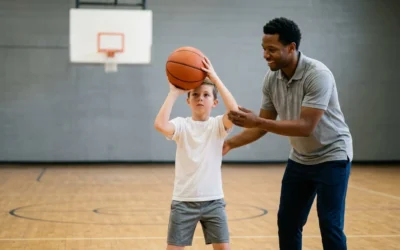
Basketball drills for beginners should always start with foundational skills. These drills help players grasp essential movements such as dribbling, shooting, and passing. By practicing in a structured manner, beginners can steadily enhance their skills without feeling overwhelmed. A good progression approach prevents early frustration and allows players to see measurable improvement as they move on to more difficult exercises.
Starting with Basic Basketball Drills for Beginners
Before moving on to complicated plays, every beginner needs to master the basics. Basketball drills for beginners typically focus on hand-eye coordination, footwork, and body positioning. Basic drills like the stationary dribble, chest passes, and layups are ideal starting points. These drills develop core skills while allowing beginners to familiarize themselves with the ball and their movements on the court.
1. Stationary Dribbling Drill
Dribbling is a critical skill for basketball players. To begin, players should practice dribbling while standing still, focusing on keeping the ball low and close to their body. This drill improves control and feel for the ball.
2. Chest Pass Drill
Passing is another core skill. The chest pass drill involves practicing short passes between teammates while focusing on accuracy and speed. This helps beginners develop their hand strength and learn how to properly position their hands on the ball.
3. Layup Drill
A fundamental move in basketball, the layup drill helps beginners understand how to approach the basket and finish with a controlled shot. Beginners should practice their layups on both sides of the basket to improve coordination.
Building Up with Intermediate Basketball Drills for Beginners
As players master basic skills, they can progress to more challenging basketball drills for beginners. At this stage, drills focus on incorporating movement and decision-making. The goal is to enhance players’ overall court awareness and refine their skills in a more dynamic environment.
1. Dribbling While Moving Drill
Once a beginner is comfortable with stationary dribbling, they can practice dribbling while walking or jogging across the court. This helps players learn how to maintain control of the ball while moving, a skill that’s essential in real-game situations.
2. Pass and Move Drill
This drill combines passing and movement. Players pass the ball to a teammate and then move to a new spot on the court to receive a return pass. It enhances teamwork, quick decision-making, and improves passing accuracy on the move.
3. Jump Shot Drill
After mastering layups, beginners should begin practicing jump shots from various spots on the court. This will help develop shooting form and accuracy. Focus on balance, shooting technique, and follow-through.
Advanced Basketball Drills for Beginners: Adding Complexity
Once the fundamental skills are mastered, beginners can move to drills that involve more complex movements and strategies. These drills simulate in-game situations and help players adapt to different offensive and defensive plays.
1. Defensive Slide Drill
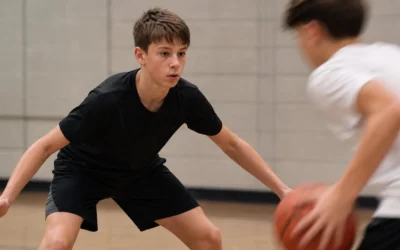
The defensive slide drill improves footwork and defensive positioning. Players move laterally across the court, maintaining a low stance to prevent their opponent from getting by them. This drill improves lateral quickness and defensive awareness.
2. Pick and Roll Drill
The pick and roll is a common offensive play in basketball. Beginners should start by practicing the basic movement of setting a screen (the “pick”) and rolling to the basket. This drill builds teamwork and offensive flow.
3. Fast Break Drill
In a fast break drill, players practice pushing the ball down the court quickly after gaining possession. This helps beginners learn how to transition from defense to offense efficiently and creates opportunities for easy scoring.
The Importance of Repetition in Basketball Drills for Beginners
To succeed in basketball, repetition is key. Basketball drills for beginners should be repeated regularly to improve muscle memory and enhance technique. Beginners should practice each drill until they feel confident in their execution. Repetition ensures that the skills learned become second nature during actual games.
You can learn more about how to improve your basketball skills.
Conclusion
Progression-based basketball drills for beginners provide an effective roadmap for players to build a solid foundation of skills. By starting with the basics and gradually increasing the complexity of drills, new players can develop essential basketball techniques with confidence. As players advance, they’ll be ready to face more challenging game situations, ultimately enhancing their performance and helping them succeed both on and off the court. Keep practicing these drills, and you’ll see steady improvement in no time!
You may find this blog valuable too “Essential Basketball Drills to Take Your Game to the Next Level”

0 Comments