Basketball is a dynamic game that requires a combination of skills, speed, and strategy. To truly excel, you need to dedicate time to developing your basketball drills. These drills not only enhance fundamental skills but also help you perform under pressure, make quicker decisions, and improve your overall game. In this blog, we’ll dive into some essential basketball drills that will elevate your skills and take your performance to the next level.
1. Ball Handling Basketball Drills for Increased Control
One of the most important aspects of playing basketball is being able to handle the ball under pressure. Basketball drills for ball handling will give you better control, allowing you to move confidently on the court.
- Dribbling Drills: Simple yet effective, dribbling drills like “two-ball dribbling” or “figure-eight dribbling” can improve hand-eye coordination and control.
- Cone Dribbling: Set up cones and practice weaving in and out while maintaining control of the ball. This helps with the change of direction and maneuvering around defenders.
- Low Dribble Drill: Keep the ball low and close to the ground for better control. This teaches the player to protect the ball while moving quickly.
By practicing these ball-handling basketball drills, you will be able to handle pressure situations, make precise passes, and avoid turnovers.
2. Shooting Basketball Drills for Accuracy and Consistency
To take your game to the next level, shooting is critical. Practicing shooting drills consistently improves your shooting form, accuracy, and confidence in high-pressure moments.
- Spot Shooting: Focus on shooting from different spots on the court, especially from the mid-range and three-point range. Practicing these drills will help improve your shooting consistency.
- Free Throw Shooting Drill: Practicing free throws under different conditions (while fatigued, with defenders, etc.) improves your ability to perform in crucial moments during a game.
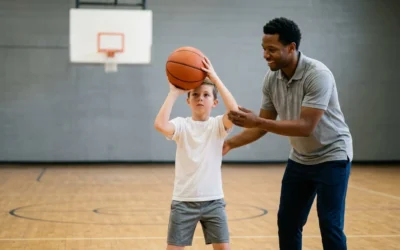
- Form Shooting: Perfect your shot form by focusing on proper shooting technique (elbow in, follow through) before moving on to shooting at longer distances.
These basketball drills help you become a reliable shooter and can significantly increase your scoring ability in games.
3. Defensive Basketball Drills to Improve Your On-Court Defense
Defense is often overlooked, but great defensive players are key to a successful team. Incorporating basketball drills that focus on defensive skills is essential for players at all levels.
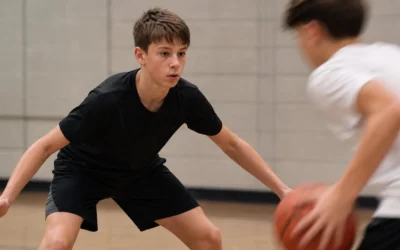
- Defensive Slide Drill: Start in a defensive stance and practice lateral movement across the court. This drill helps improve your speed, agility, and defensive positioning.
- Close-Out Drill: Work on quickly closing the distance between you and an offensive player while maintaining defensive form. This is a great drill for defending the perimeter and guarding against shots.
- Steal and Transition Drill: Practice stealing the ball and transitioning quickly from defense to offense. This enhances your ability to disrupt plays and create fast-break opportunities.
By executing these defensive basketball drills, you’ll improve your reaction time, positioning, and overall defensive performance.
4. Footwork Basketball Drills for Speed and Agility
Basketball requires quick feet and agility to perform well both offensively and defensively. The best way to improve your footwork is by doing specific basketball drills that focus on speed, agility, and positioning.
- Ladder Drills: Use an agility ladder to work on your footwork. Practice various patterns to improve quickness and coordination. This is essential for both offensive and defensive movements.
- Jump Stop Drill: This drill helps you stop quickly and control your movement. Practice jumping to a stop and immediately pivoting to make a pass or take a shot.
- Plyometric Exercises: These exercises help improve your explosive speed. Jumping drills, box jumps, and lateral jumps will make your movements faster and more reactive.
These basketball drills are crucial for improving agility, speed, and overall movement on the court.
5. Passing Basketball Drills to Improve Court Vision and Accuracy
In basketball, an effective pass can often be the difference between a turnover and an assist. Passing drills are essential to develop better court vision and precision.
- Partner Passing Drills: Partner passing drills help you work on various types of passes—bounce, chest, and overhead pass. The goal is to improve accuracy and timing.
- Passing on the Move: Practice making passes while moving at different speeds. This drill helps players react quickly and accurately during fast-paced game situations.
- Full-Court Passing Drill: Practice passing the ball down the court quickly and accurately. This is great for building vision and accuracy while transitioning from defense to offense.
These basketball drills will improve your ability to distribute the ball, make quick decisions, and create scoring opportunities for your teammates.
Final Thoughts
Incorporating these essential basketball drills into your practice routine will not only improve your skills but also elevate your game to a higher level. Consistency is key by committing to regular practice and focusing on these drills (Here is a guide on how to be a consistent athlete), you’ll enhance every aspect of your basketball performance.
For more information on basketball training programs, visit this link to learn how to take your skills to the next level.
Remember, the best players are those who constantly challenge themselves and put in the effort to improve. With the right mindset and dedication, you can become the player you’ve always aspired to be.
Also, you can learn how You Hoop fosters complete player development and prepares athletes for success.

0 Comments