Tryout day brings a specific kind of nervous energy that’s different from a regular game. For a young player, it’s a single afternoon where a coach forms an impression that can shape a whole season. Knowing how to prepare for basketball tryouts properly makes a genuine difference, and most of the useful preparation happens well before the player ever steps onto the court.
This guide covers what actually helps, both for the player and for the parent trying to support them without adding to the pressure.
What Coaches Are Actually Looking For
Effort and coachability, often more than raw skill. A player who hustles for every loose ball, responds well to a quick correction, and brings genuine energy stands out to most coaches running a tryout, sometimes more than a technically skilled player who looks disengaged.
Basketball IQ, shown through decision-making, not just execution. How a player reads a situation, whether they pass to an open teammate, whether they understand basic spacing, reveals more to an experienced coach than a single impressive move.
How a player handles mistakes. Tryouts are stressful, and mistakes happen. A player who recovers quickly and keeps competing shows the kind of resilience coaches value considerably more than a single missed shot ever costs them.
Preparing in the Weeks Before
Focus on fundamentals rather than trying to add new moves at the last minute. A tryout is not the moment to debut a new crossover a player hasn’t practised enough to execute confidently under pressure. Solid, reliable fundamentals executed well beat flashy but shaky new skills.
Get comfortable with conditioning. Tryouts often involve more running and drills than a typical practice, and a player who’s out of breath early struggles to show their actual ability in the later stages. Our skill training classes build conditioning alongside skill work as a normal part of every session.
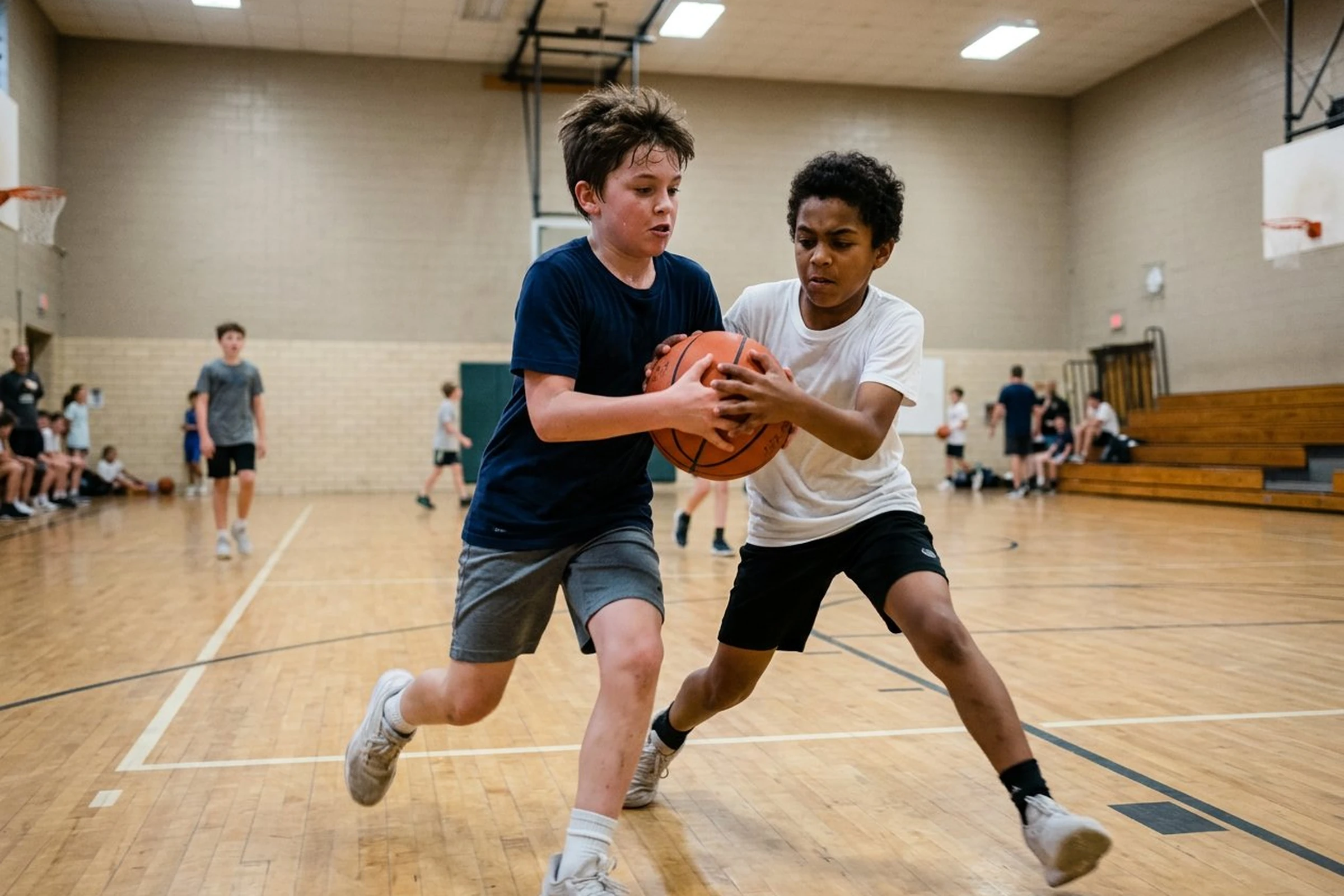
Practice in game-like, competitive settings, not just isolated drills. Shooting comfortably alone in a driveway is a different skill from making the same shot with a defender and pressure. Scrimmage-style practice in the lead-up to tryouts translates better to what actually happens on tryout day.
What Parents Can Do to Help
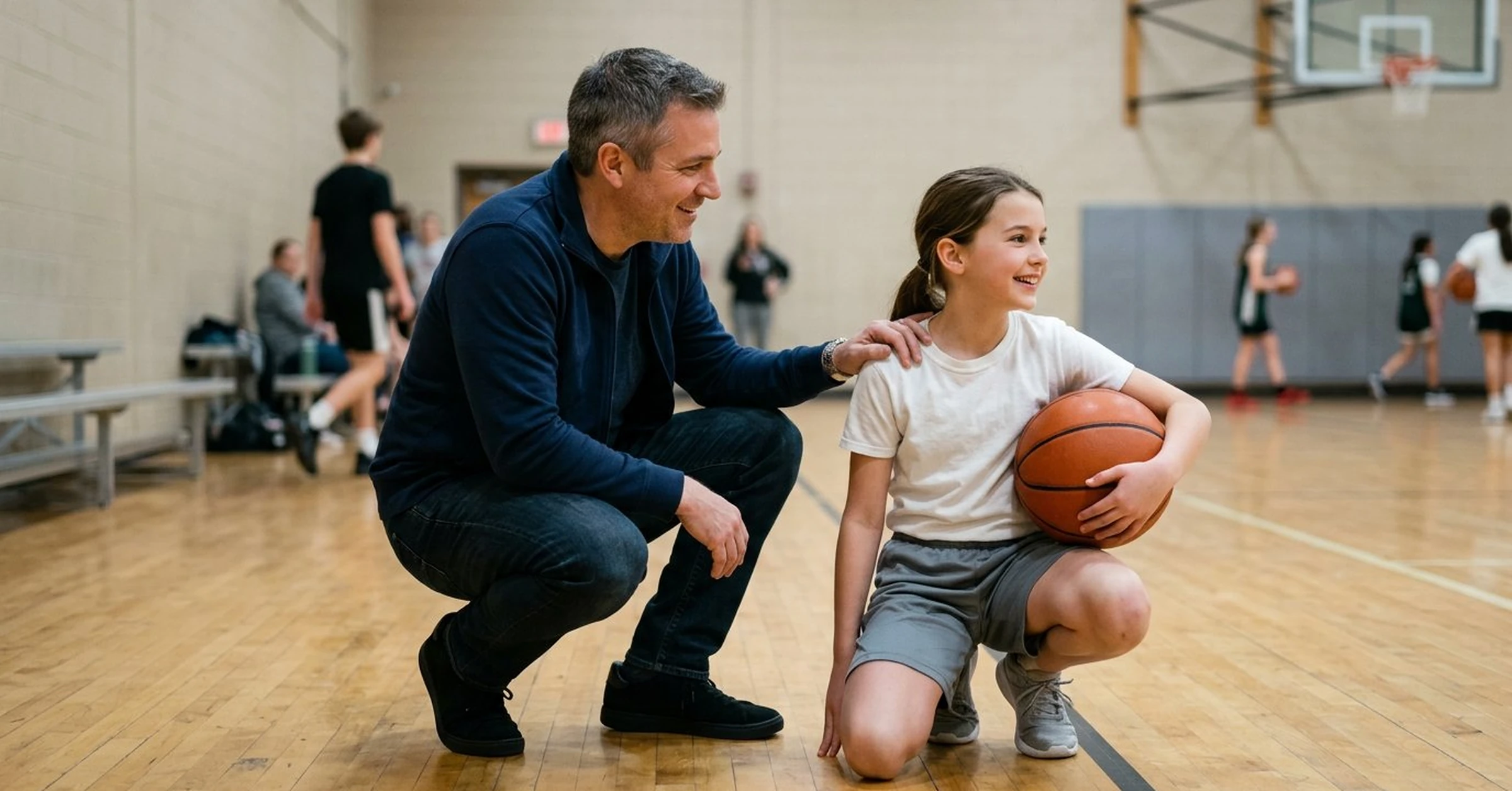
Keep the conversation about effort, not outcome, in the days leading up. Reminding a player to focus on hustling and competing rather than making the team removes some of the pressure that can actually hurt performance on the day.
Make sure basic logistics are sorted well ahead of time. The right shoes, comfortable clothing, water, and arriving early enough to warm up properly all reduce unnecessary stress that has nothing to do with actual basketball ability.
Avoid last-minute technical coaching in the car on the way. A flood of reminders and instructions right before tryouts tends to overload a young player’s focus rather than help it. Trust the preparation already done.
Manage your own visible nerves. Kids pick up on parental anxiety quickly, and a parent who seems more stressed about the outcome than the player does adds pressure rather than support.
After Tryouts, Regardless of the Result
However it goes, the conversation afterward matters. Our guide on questions to ask after a basketball game covers the same principle that applies here: focus on effort and what was learned, rather than only the outcome.
A tryout that doesn’t go as hoped is information, not a verdict. Development happens over years, not a single afternoon, and one tryout result rarely determines a player’s long-term trajectory.

0 Comments