A basketball training program is a key component in a player’s growth and success on the court. It goes beyond just basic drills; it incorporates various techniques, strategies, and goals that aim to develop all aspects of a player’s game. But what makes a basketball training program truly successful? There are several critical factors that contribute to creating an effective program, ensuring athletes progress in both skill and confidence.
1. Setting Clear Goals in Basketball Training
One of the foundational elements of a successful basketball training program is setting clear, measurable goals. Without goals, progress can be hard to track, and athletes may struggle to stay motivated. These goals should be specific to each player’s needs—whether it’s improving shooting accuracy, strengthening ball handling, or enhancing defensive skills. A structured basketball training program that revolves around clear, targeted goals ensures athletes stay focused and motivated throughout the training cycle.
2. Incorporating a Variety of Drills in Basketball Training
Successful basketball training programs incorporate a variety of drills that address different aspects of the game. These drills should include fundamental skills like dribbling, passing, shooting, and defense. It’s important for players to practice both offensive and defensive drills to become well-rounded. Regularly changing up drills ensures that players are constantly challenged, which accelerates improvement. Whether it’s ball-handling drills for agility or shooting drills for accuracy, diversity in training keeps athletes engaged and learning new techniques.
3. Personalized Basketball Training Programs for Individual Needs
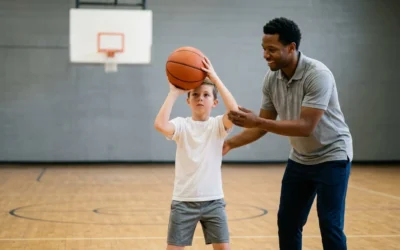
Every player has unique strengths and weaknesses. A basketball training program must be adaptable to meet individual player needs. For example, if a player excels at offense but struggles with defense, their program should focus more on defensive drills and techniques. Personalization allows for a more targeted and effective approach to development. Coaches who take the time to assess their athletes and create tailored training sessions ensure that the player’s specific needs are met, which is a key to achieving success in basketball training.
4. Consistent Evaluation and Feedback in Basketball Training
To make a basketball training program successful, regular evaluation and feedback are necessary. Coaches should assess player progress regularly, noting improvements and areas for further development. Constructive feedback motivates players to keep working on their skills while giving them specific steps to improve. Additionally, self-evaluation by athletes themselves can be incredibly valuable. Incorporating video analysis or detailed reviews of practice sessions helps both coaches and players spot areas that need attention.
5. Physical Conditioning and Mental Toughness in Basketball Training
Physical conditioning is often overlooked but is crucial for a successful basketball training program. Building endurance, strength, and agility is necessary for players to perform at their highest potential. A well-conditioned player can keep up with the pace of the game and recover faster from physical exertion. In addition, mental toughness should be developed alongside physical training. Encouraging resilience, focus, and a positive mindset is vital, especially when players face setbacks or challenging moments during games.
6. Creating a Positive and Supportive Training Environment
A successful basketball training program is also about the environment in which it takes place. A positive, supportive, and motivating environment is essential for player success. Coaches should foster a culture of teamwork, hard work, and respect, ensuring that every athlete feels valued and supported. This positive atmosphere enhances learning, encourages growth, and helps athletes develop the right mindset for both basketball and life. Players who are supported by their coaches and teammates are more likely to stay engaged and committed to their training.
7. The Role of Technology in Modern Basketball Training
Incorporating technology into basketball training is becoming more common, and it adds another layer of effectiveness. Tools like video analysis, performance tracking apps, and virtual training platforms can provide valuable insights into a player’s performance. Technology allows coaches to break down technique, measure progress in real-time, and offer instant feedback. Tools such as motion sensors or shot trackers can give a more in-depth look into a player’s form and help identify areas for improvement that might not be visible with the naked eye.
8. Consistency is Key to Success in Basketball Training
One of the most important factors that contributes to the success of any basketball training program is consistency. Athletes who consistently train and practice are more likely to see improvement over time. Regular practice helps solidify skills and increase muscle memory, which is critical for in-game performance. Whether it’s individual or team training, the more consistent a player is with their efforts, the more successful they will become.
Final Thoughts on Basketball Training Success
In conclusion, what makes a basketball training program successful lies in how well it balances personalized goals, physical conditioning, diverse drills, and mental fortitude. It also requires consistent feedback, adaptation, and a supportive environment. By focusing on these key aspects, players can maximize their potential and excel on the basketball court.
For more insights on basketball training, check out this comprehensive guide to building a successful training regimen. Whether you’re just starting or looking to elevate your game, these foundational principles will help you reach the next level.
You may find this blog valuable too “Top 5 Basketball Skills Every Player Should Master”


0 Comments