When it comes to improving skills in basketball, basketball drills play a crucial role in the development of players. To make the most out of training, it is essential to structure basketball drills effectively to ensure athletes gain the maximum benefit. A well-organized drill structure ensures improvement in essential skills while maintaining focus, engagement, and energy levels. In this article, we’ll explore how to structure basketball drills to maximize efficiency for players of all skill levels.
1. Prioritize Skill Development in Basketball Drills
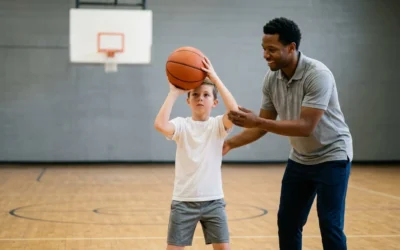
The foundation of any basketball drill should always be skill development. Every player, whether a beginner or advanced, should start by mastering the basic skills of shooting, dribbling, passing, and defense. By prioritizing these key areas in your basketball drills, you can ensure that players develop a solid foundation before moving on to more complex techniques. Start with simple drills such as stationary shooting or basic dribbling, and gradually progress to dynamic drills as skills improve.
2. Focus on Specific Areas of Improvement with Targeted Basketball Drills
While general drills are useful, targeted basketball drills that focus on specific areas of improvement will lead to more effective results. For instance, if a player struggles with ball handling, dedicating a portion of the practice session to specialized dribbling drills will help address this weakness. Similarly, a player who struggles with shooting accuracy can benefit from drills that specifically improve footwork and shooting form. By structuring basketball drills around individual player needs, you ensure each athlete makes measurable progress.
3. Incorporate Game-Like Situations into Basketball Drills
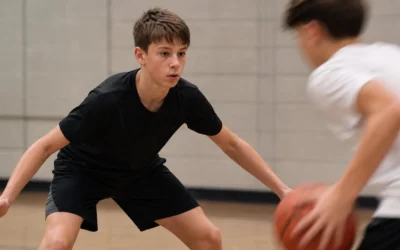
One of the most effective ways to structure basketball drills for maximum efficiency is by simulating real-game situations. Drills should mimic scenarios that players will face during actual games. For example, incorporating defensive positioning during a fast break or creating shooting drills that require decision-making under pressure can help athletes apply their skills in real-world settings. This helps to bridge the gap between practice and performance, ensuring players are prepared for the challenges they will face in games.
To learn more about game-like basketball drills that improve on-court performance, check out this article on effective shooting drills.
4. Break Down Complex Basketball Drills into Manageable Segments
Advanced basketball drills that require multiple skills or strategies can be overwhelming for players, especially those new to the game. To make these drills more manageable and effective, break them down into smaller, more focused segments. For example, in a complex pick-and-roll drill, focus on individual components such as footwork, passing, and timing before putting them all together. By gradually building up to the full drill, players can focus on perfecting each segment before executing it in full.
5. Ensure Proper Rest and Recovery Between Basketball Drills
Another critical component of structuring basketball drills for maximum efficiency is ensuring players are well-rested. Without proper rest, players may experience fatigue, which can hinder performance and lead to injury. Allowing adequate recovery time between drills helps maintain focus, energy, and performance. The ideal rest period will depend on the intensity of the drill, but a common recommendation is to take 30-60 seconds of rest between each drill. Additionally, incorporating light stretching and hydration throughout practice can help prevent muscle strain and keep athletes energized.
6. Gradually Increase Drill Intensity for Better Results
As players grow more comfortable with specific basketball drills, it’s essential to gradually increase the intensity to challenge them and promote continued development. Increasing intensity could involve adding more repetitions, increasing the pace of drills, or introducing more complex game scenarios. For instance, a simple dribbling drill can evolve into a competitive 1-on-1 drill with a defender or progress to a full-court drill with various obstacles. By progressively increasing the intensity of basketball drills, players are consistently pushed out of their comfort zones, improving both skill level and mental toughness.
7. Evaluate and Provide Feedback During Basketball Drills
No basketball drill is complete without assessment and feedback. Constructive feedback allows players to understand where they can improve and how they can adjust their technique for better results. Coaches should provide immediate feedback during drills, pointing out areas of strength and areas that need further work. This will help players adjust their form and approach during practice. Regular evaluations will ensure that players stay on track with their goals and continue to improve with each drill.
Conclusion
By structuring basketball drills effectively, you can maximize the benefits of each practice session. Prioritize skill development, target specific areas for improvement, simulate real-game situations, and ensure that players have proper rest and feedback to make the most out of every drill. Whether you’re a coach working with a team or an individual player seeking to improve, understanding how to structure basketball drills is key to taking your game to the next level.
Learn how embracing discomfort and focusing on key habits can help you achieve your basketball dreams.

0 Comments