A confident young player takes the shot instead of passing it off out of fear. A confident player asks for the ball again after a miss instead of disappearing for the rest of the game. Building confidence in young basketball players isn’t about empty praise or telling a kid they’re great regardless of performance. It’s a specific, learnable process, and it matters as much for long-term development as any technical skill.
This guide covers what actually builds durable confidence, and what accidentally undermines it despite good intentions.
Why Confidence Matters So Much in Basketball Specifically
Basketball punishes hesitation. A hesitant shot, a hesitant drive, a hesitant pass, all tend to fail more often than a decisive one, even when the underlying skill is identical. Confidence directly affects execution in a sport built around split-second decisions.
Mistakes happen constantly and visibly. Unlike some sports where errors are less exposed, a missed shot or a turnover in basketball happens in front of everyone immediately. A player without resilience around mistakes tends to shrink rather than continue competing.
It compounds over a season and a career. A player who plays confidently gets more opportunities, which builds more experience, which builds more confidence. The reverse spiral is just as real, and just as compounding.
What Actually Builds Confidence
Genuine, specific praise tied to effort and process, not empty encouragement. Telling a player “great job boxing out on that rebound” reinforces a specific behaviour they can repeat. Generic praise like “you’re the best” doesn’t give a player anything concrete to hold onto, and kids often sense when it isn’t genuine anyway.
Repetition and mastery in low-pressure settings before high-pressure ones. A player who has genuinely mastered a skill in practice carries a different kind of confidence into a game than one attempting something for the first time under pressure. Our skill training classes are built around this exact principle, building competence before expecting composure under game pressure.
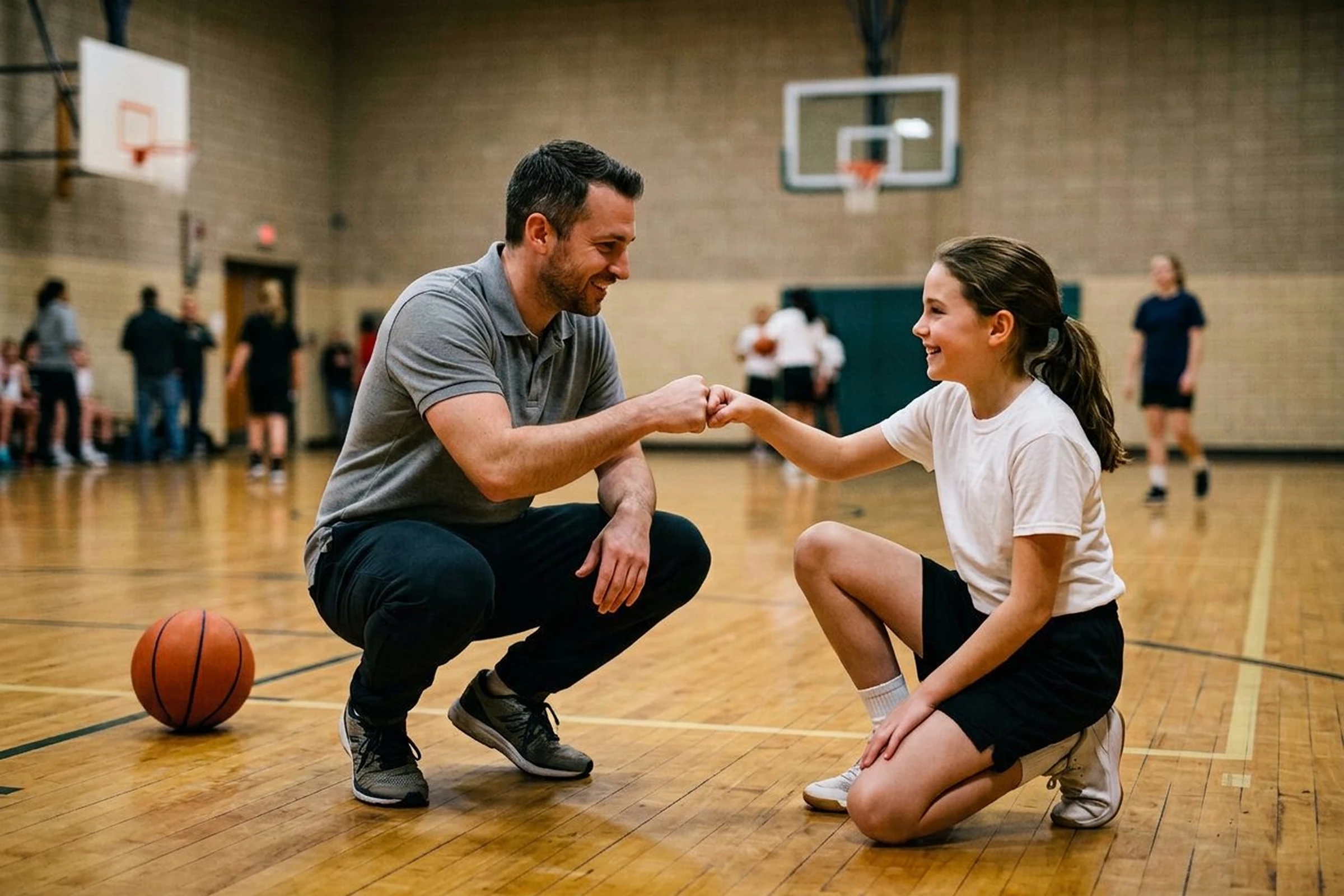
Being given the chance to fail and try again without harsh consequence. A player who’s allowed to miss shots, make mistakes, and keep going without being pulled or criticised harshly builds resilience that no amount of verbal encouragement alone can create.
What Accidentally Undermines Confidence
Focusing conversations only on mistakes. A player who only hears about what went wrong, even from well-meaning adults, starts to associate the sport with criticism rather than growth.
Comparing a player to teammates or siblings. Even comments that seem harmless can land as unfavourable comparison and damage both confidence and relationships with the people being compared to.
Pulling a player immediately after a mistake. This is one of the fastest ways to teach a young player that mistakes are dangerous rather than a normal part of learning, which paradoxically makes them play more cautiously and make more of them.
Overpraising in a way that feels hollow. Kids are perceptive. Praise that doesn’t match reality, especially praise that follows a genuinely poor effort, teaches a player not to trust adult feedback at all.
Building It as a Long-Term Habit, Not a One-Time Fix
Confidence is built through consistent, small experiences over time, not a single pep talk before a big game. A player who’s been given room to fail, encouraged specifically rather than generically, and allowed to develop mastery gradually carries a durable kind of confidence that doesn’t collapse after one bad outing.
Track effort and process improvements, not just outcomes, when reviewing progress. A player who’s genuinely improving in specific, identifiable ways has real evidence to draw confidence from, rather than needing to feel good purely based on whether the last game went well.
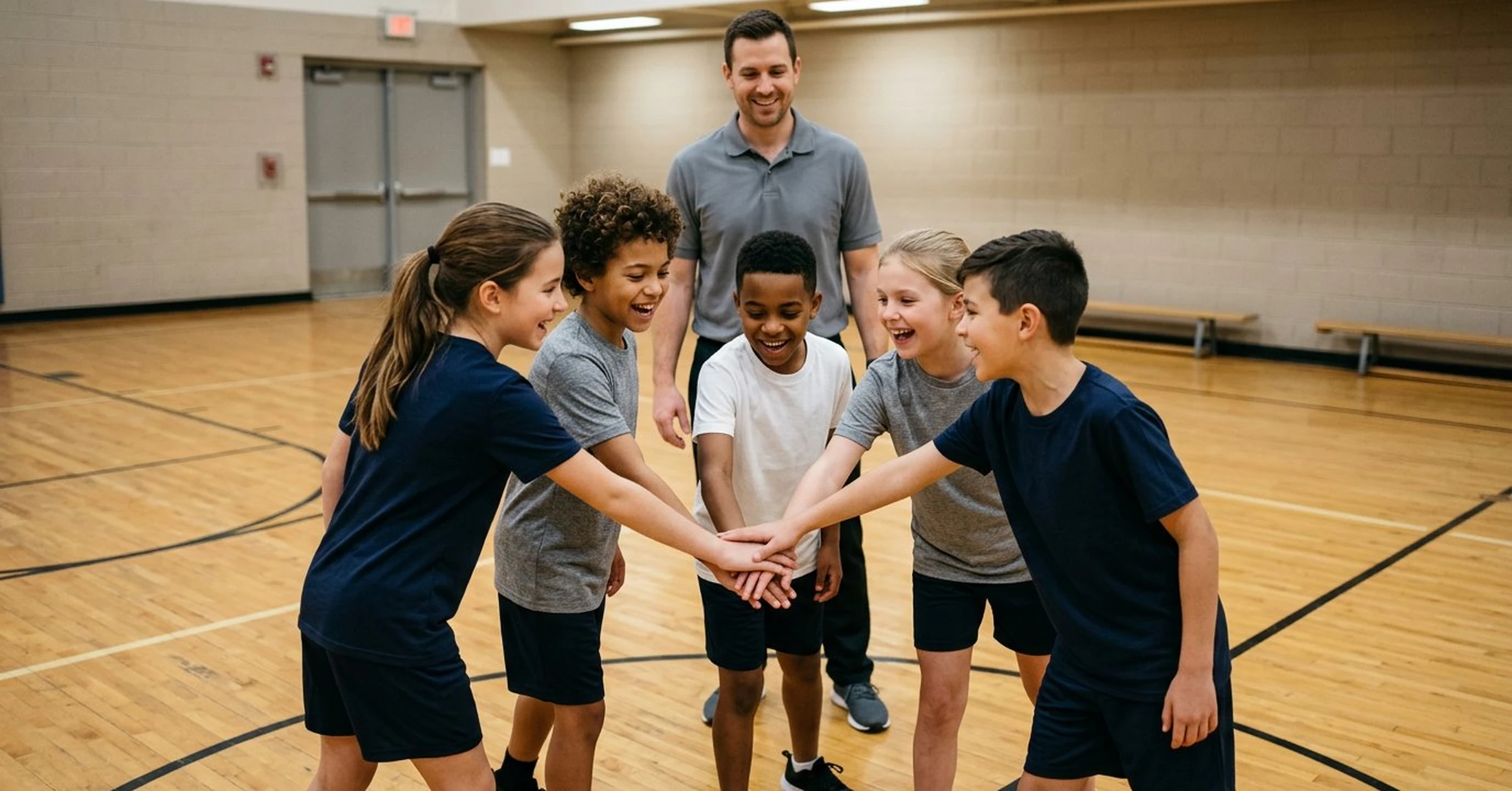
At YouHoop, we build genuine mastery through repetition before expecting composure under pressure, and we focus feedback on specific, repeatable effort rather than generic praise or harsh criticism. Our skill training classes are structured around this exact philosophy. You can read more about our approach on our about page, and book a welcome call with our team if you’d like to talk through how we support player confidence specifically.

0 Comments