Improving your basketball skills is an ongoing journey that requires dedication, practice, and the right techniques. Whether you are a beginner or an experienced player, developing your basketball skills can significantly boost your game performance and give you a competitive edge. This blog will guide you through practical strategies to continuously enhance your skills through consistent and purposeful practice.
1. Understand the Basics of Basketball Skills
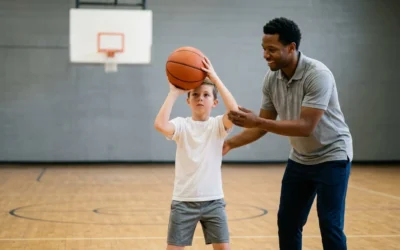
Before you can improve your basketball skills, you need to master the basics. This includes learning how to properly dribble, shoot, pass, and play defense. Focus on perfecting your footwork and ball handling. These fundamental techniques serve as the building blocks for more advanced basketball skills.
To start, set small, achievable goals to help you progressively improve. For example, begin with practicing your dribbling with both hands, gradually increasing the intensity and speed of your dribble. The more you repeat these basic actions, the better you will become at incorporating them into your game.
2. Consistent Practice: The Key to Improving Basketball Skills
Improvement comes with consistency. One of the best ways to improve your basketball skills is to practice regularly. It’s important to set aside specific times throughout the week to focus solely on basketball. This consistent practice helps to engrain the movements in your muscle memory, making the skills automatic during a game.
Try creating a training schedule that allows you to focus on different areas of your game. Dedicate time each day to dribbling, shooting, passing, and defensive drills. When you consistently repeat drills, you’ll notice a steady improvement in your basketball skills.
3. Use Drills to Target Specific Basketball Skills
One of the most effective ways to improve your basketball skills is by incorporating targeted drills into your practice routine. Different drills focus on different aspects of the game. For example, if you want to improve your shooting, set up a series of shooting drills that help build accuracy, consistency, and shooting range. Similarly, for better ball-handling skills, practice crossover and behind-the-back dribbles under various conditions.
Incorporating drills into your routine helps you build muscle memory, improving your basketball skills while also increasing your ability to perform under pressure in game situations. Regularly practicing these drills will help enhance your technique and efficiency.
Check out more basketball drills to further improve your skills and make progress faster.
4. Focus on Strength and Conditioning
In addition to regular practice, developing strength and conditioning is crucial for improving basketball skills. Physical fitness impacts your speed, endurance, agility, and overall performance on the court. Work on building your core strength, leg muscles, and cardiovascular endurance to complement your basketball skills.
Exercises like plyometrics, agility drills, and resistance training will not only help you enhance your physical abilities but will also contribute to your basketball skills. A well-conditioned body allows you to move quicker, jump higher, and recover faster during intense game situations, improving both your offensive and defensive play.
5. Analyze Your Performance and Adjust Your Practice
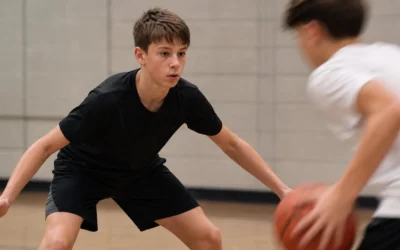
To continuously improve your basketball skills, it’s essential to regularly analyze your performance. After every practice or game, take the time to assess what went well and what areas you need to work on. For example, if your shooting percentage is low, focus more on shooting drills during practice. If you struggle with defense, dedicate time to one-on-one defensive drills.
Keeping track of your progress allows you to identify specific areas where you need more work, enabling you to target those areas effectively. This constant evaluation helps refine your basketball skills and ensures your practice remains purposeful.
6. Develop Mental Toughness to Enhance Your Basketball Skills
Basketball is not just about physical ability; it also requires mental toughness. Developing the right mindset is essential to improving your basketball skills. Staying focused, positive, and resilient under pressure can help you perform at your best.
Practicing mindfulness techniques, visualization, and self-talk can help you maintain the right mindset during your practice sessions and games. Mental preparation is just as important as physical training when it comes to improving your basketball skills and maximizing your performance.
7. Learn from Others to Improve Your Basketball Skills
Watching professional players and learning from their techniques can also help you improve your basketball skills. Pay attention to their footwork, shooting mechanics, passing techniques, and defensive strategies. Incorporating these observations into your practice routine can fast-track your development.
Additionally, learning from experienced coaches and players through feedback and mentorship can provide valuable insights into how you can improve your basketball skills. The more you expose yourself to different perspectives, the more you can grow as a player.
Conclusion
Improving your basketball skills takes time, effort, and persistence. Consistent practice, targeted drills, physical conditioning, and mental focus will all contribute to your development as a player. With a structured approach and the right mindset, you’ll continue to refine your skills and take your basketball performance to the next level. Keep pushing yourself, stay dedicated, and watch your basketball skills grow!
Learn how embracing the long game builds character, resilience, and lasting success.

0 Comments