Basketball drills for beginners are crucial for developing fundamental skills, improving coordination, and building confidence on the court. However, as exciting as practice can be, many beginners unknowingly make mistakes that can hinder their progress. In this blog, we’ll cover some of the most common mistakes to avoid when practicing basketball drills for beginners, and how to correct them for more effective training.
1. Skipping the Basics: Why Mastering Basketball Drills for Beginners is Crucial
When starting with basketball drills for beginners, many players focus too quickly on advanced techniques and overlook the importance of mastering the basics. Fundamental skills like dribbling, shooting form, and passing should be the foundation of your practice. Skipping these basic drills can lead to bad habits and hinder future development.
Before diving into complicated drills, dedicate time to properly executing the core skills. Perfecting the fundamentals first ensures that you build a strong base for more advanced moves in the future. A consistent focus on foundational basketball drills for beginners is essential for long-term improvement.
2. Improper Technique: The Impact on Basketball Drills for Beginners
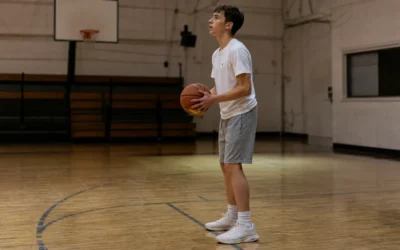
One of the most significant mistakes when practicing basketball drills for beginners is neglecting proper form and technique. Whether it’s shooting, dribbling, or passing, executing each movement correctly is vital for success on the court. Practicing bad habits can lead to injury or poor performance during games.
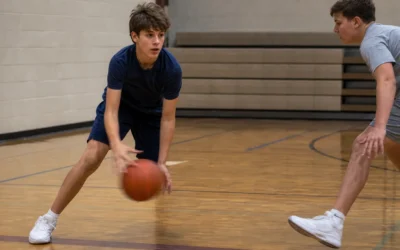
For example, when shooting, beginners often push the ball with their arms instead of using their legs for power and keeping their follow-through consistent. Similarly, improper hand placement when dribbling can reduce control over the ball. It’s important to focus on form to avoid ingraining bad techniques during basketball drills for beginners.
3. Not Practicing Consistently: The Key to Mastering Basketball Drills for Beginners
Infrequent practice is a common mistake among beginners who are learning basketball drills. Like any skill, basketball requires consistent practice for improvement. Sporadic training leads to stagnation and a lack of muscle memory development. To get better at basketball, you need to regularly practice your drills.
Even if it’s only for 15-20 minutes a day, setting aside time each day to practice basketball drills for beginners helps reinforce the skills you’re developing. Make practice a daily routine to see steady improvement in your performance.
4. Lack of Focus on Conditioning: Fitness in Basketball Drills for Beginners
While beginners may focus primarily on basketball drills themselves, physical conditioning plays a crucial role in a player’s development. Basketball is a high-intensity sport, and without proper conditioning, your stamina, strength, and agility will be limited, even if your skills improve.
Incorporate fitness drills such as running, plyometrics, and agility exercises into your basketball practice sessions. This will ensure you have the endurance to execute basketball drills for beginners effectively, especially as the intensity increases during real-game situations.
5. Not Using Game-Specific Scenarios in Basketball Drills for Beginners
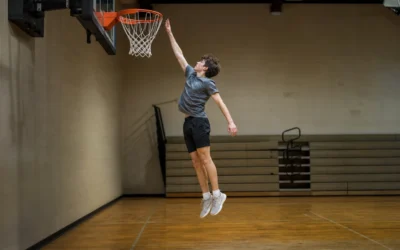
Many beginners make the mistake of practicing basketball drills in isolation, without considering how those drills will translate into real-game situations. For instance, practicing layups is essential, but practicing them while under pressure from defenders is equally important for game readiness.
When working on basketball drills for beginners, try to simulate game conditions by adding stress, such as practicing with a defender or timing your shot. This helps translate your skills into more practical, effective plays during actual games.
Explore more advanced basketball drills and their benefits.
6. Failing to Track Progress: Measuring Success in Basketball Drills for Beginners
Beginners often overlook the importance of tracking their progress. Without measuring your improvement, it’s hard to identify areas for growth. Keep a journal of your practice sessions, noting what works well and what needs improvement. This not only helps track your progress but also motivates you to continue practicing basketball drills for beginners.
Make sure to regularly assess your skills in drills such as shooting percentage, dribbling speed, or passing accuracy. With a clear understanding of your strengths and weaknesses, you can focus on refining your basketball drills for beginners and ensure you’re constantly improving.
7. Overloading Practice Sessions: How to Pace Basketball Drills for Beginners
Beginners may be eager to improve quickly, but overloading practice sessions can lead to burnout and poor performance. Trying to do too much too soon can be counterproductive. It’s essential to pace yourself and allow time for rest and recovery.
Instead of cramming multiple drills into one session, focus on mastering a few key basketball drills for beginners. Over time, you can gradually add more drills as you become more confident in your abilities. Remember, quality is more important than quantity when practicing basketball drills for beginners.
Conclusion: Avoid These Mistakes and See Improvement in Basketball Drills for Beginners
By focusing on the basics, ensuring proper technique, practicing consistently, improving conditioning, and simulating game scenarios, beginners can avoid common mistakes in basketball drills. Avoiding these errors will help develop a strong skill set that translates well to actual games and fosters long-term success in basketball.
Remember, improvement takes time, so stay patient and dedicated as you work on basketball drills for beginners. Keep practicing, track your progress, and watch your skills grow!
You may find this blog valuable too “5 Fun and Effective Basketball Drills for Solo Practice”

0 Comments