Every youth basketball coach has a story about a parent conversation that went sideways, and every parent has a concern they were not quite sure how to raise. Most of these conversations do not go wrong because of the actual issue. They go wrong because of timing, tone and approach, all of which are entirely within a parent’s control.
How to talk to your child’s basketball coach productively is a skill, and like most skills it is learnable. This guide covers how to raise a concern in a way that actually gets you a useful answer, rather than putting a coach on the defensive or damaging the relationship your child depends on.
Why This Conversation Matters More Than It Seems
Your child’s relationship with their coach is one of the more influential relationships in their basketball experience, and how you as a parent interact with that coach shapes it, whether you intend it to or not.
A coach who feels respected and trusted by a family generally invests more openly in that player’s development. A coach who feels undermined, second-guessed or approached defensively tends to become more guarded, which rarely serves the player caught in the middle.
This does not mean avoiding legitimate concerns. It means raising them in a way that protects rather than damages the working relationship your child needs that coach to have with your family.
Before You Reach Out
Give it time and distance from the specific moment that triggered the concern. A conversation prompted by frustration from a single game, raised the same day, rarely goes well for either party. Waiting at least a day allows both sides to engage more calmly.
Get your child’s perspective first, where appropriate. Depending on their age, checking in with your child about how they see the situation sometimes reveals it is less significant than it felt from the stands, or it confirms the concern is genuine and gives you more specific information to raise.
Clarify what you actually want from the conversation. A vague sense of dissatisfaction is harder to raise productively than a specific question or concern. Knowing what you are hoping to understand or achieve before you reach out makes the conversation considerably more focused.
Consider whether this is genuinely a coach conversation or something else. Not every frustration with youth sports traces back to coaching decisions. Sometimes it is about team dynamics, sometimes about a player’s own effort or attitude, and sometimes simply about the disappointment inherent in competitive sport. Being honest with yourself about which category a concern falls into changes how, or whether, to raise it.

How to Make the Approach
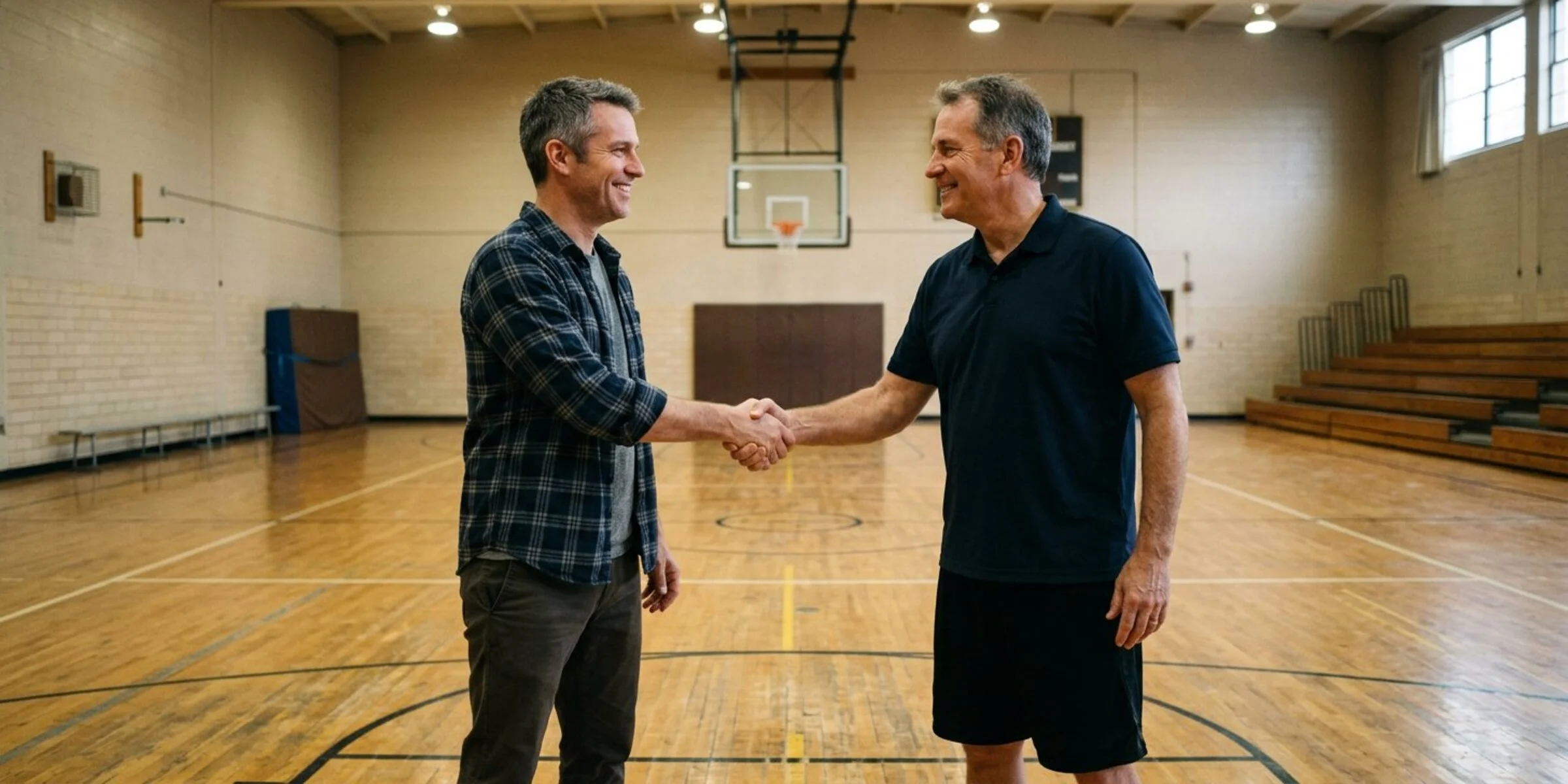
Request the conversation rather than ambushing it. A brief message asking for a few minutes to talk, at a time that suits the coach, sets a respectful tone before the conversation even begins. This is considerably more effective than catching a coach immediately before or after a session when their attention is elsewhere.
Choose privacy over convenience. A conversation held away from other parents, players and the immediate heat of a practice or game protects everyone involved and allows for more honest, less guarded dialogue on both sides.
Open with genuine curiosity rather than a complaint. Framing a concern as a question, what would help my child improve in this area, rather than a statement, my child should be playing more, invites the coach to engage constructively rather than defensively.
State the specific concern clearly, without excessive preamble. Coaches are busy and appreciate directness delivered respectfully. A concern buried in a long explanation is harder to address than one stated plainly.
Separate the issue from your child’s character or the coach’s competence. Focus the conversation on the specific situation rather than broader judgments about either party. This keeps the conversation productive rather than personal.
What to Say and What to Avoid
Say: “I wanted to understand what you’re seeing from [child] in practice, and what would help their development.” This invites a genuine, informative response.
Avoid: “Why isn’t my child playing more?” This puts the coach immediately on the defensive and rarely produces a useful answer.
Say: “I noticed [specific observation]. Can you help me understand what’s happening there?” Specific and genuinely curious.
Avoid: “Everyone can see this isn’t fair.” Vague, accusatory, and impossible for a coach to respond to constructively.
Say: “What can we work on at home to support what you’re building in practice?” Positions you as a partner in your child’s development rather than an adversary.
Avoid: Comparing your child directly to specific teammates. This rarely produces useful information and can put a coach in an uncomfortable position regarding another family’s child.
Listening Is Half the Conversation
Give the coach room to explain their perspective fully before responding. Coaches see practice dynamics, effort levels and team chemistry that parents in the stands simply do not have full visibility into. Genuinely hearing this out, rather than waiting for your turn to restate your position, often changes the picture considerably.
Ask clarifying questions rather than immediately pushing back. If something the coach says does not match what you have observed, asking for more detail is more productive than contradicting them outright.
Accept answers you may not love, if they are genuinely reasonable. Not every conversation ends with the outcome a parent hoped for. A coach who explains their reasoning honestly and offers a path forward has done their part, even if the immediate answer is not the one you wanted to hear.
Notice if the coach cannot or will not engage substantively. A pattern of vague, dismissive or evasive responses to genuine, respectfully raised questions is itself useful information about the coaching relationship, separate from the specific concern that prompted the conversation.
After the Conversation
Follow through on anything you agreed to support at home. If the conversation identified something to work on, following through demonstrates good faith and reinforces the partnership rather than leaving it as words only.
Give the situation genuine time before revisiting it. Development and coaching adjustments take time to show results. Following up again within days undermines the value of the original conversation.
Model the outcome for your child appropriately. Depending on what was discussed and your child’s age, sharing an appropriate summary reinforces that concerns can be raised respectfully and handled constructively, which is a valuable lesson well beyond basketball itself.
Know when to escalate, and do so appropriately. If a genuine concern about fairness, safety or conduct is not adequately addressed through a direct conversation with the coach, most organisations have an appropriate next step, and escalating through the correct channel is different from repeatedly re-raising the same concern with the coach directly.
Why This Matters at YouHoop
We would always rather hear a concern directly and have the chance to address it than have a family quietly grow frustrated without ever raising it. Coaches genuinely want to know if something is not working for a player, and a respectful, direct conversation is the fastest route to actually fixing it.
For related guidance, see our sideline behaviour guide and our guide on handling playing time concerns specifically. You can read more about our approach on our about page, and book a welcome call with our team if you would like to discuss your player’s development directly.



0 Comments