Rebounding is the most available skill in basketball. It requires no special talent, no expensive training and no unusual physical gift. It rewards effort, anticipation and willingness to make contact, all of which are entirely within a player’s control.
It is also the least coached skill at youth level. Players spend hours on shooting and ball handling and almost no time learning how to be a better rebounder, which means the players who do learn it gain an advantage disproportionate to the effort required.
Why Height Matters Less Than People Assume
The instinct is that rebounding belongs to the tallest player on the court. In practice, position beats height more often than not.
A player who establishes position between an opponent and the basket has already won most of the contest before the ball comes off the rim. The taller player behind them cannot reach through. This is why undersized players who rebound well are common at every level of basketball, and why tall players who do not box out get outrebounded regularly.
The three factors that actually determine rebounding, in order, are position, timing and effort. Height is a fourth factor that helps but does not decide it.
Positioning: The Part That Wins Most Rebounds
Find your opponent before you look for the ball. The instinctive reaction when a shot goes up is to watch the flight of the ball. The correct reaction is to locate the player you are responsible for and make contact with them. The ball can wait a fraction of a second.
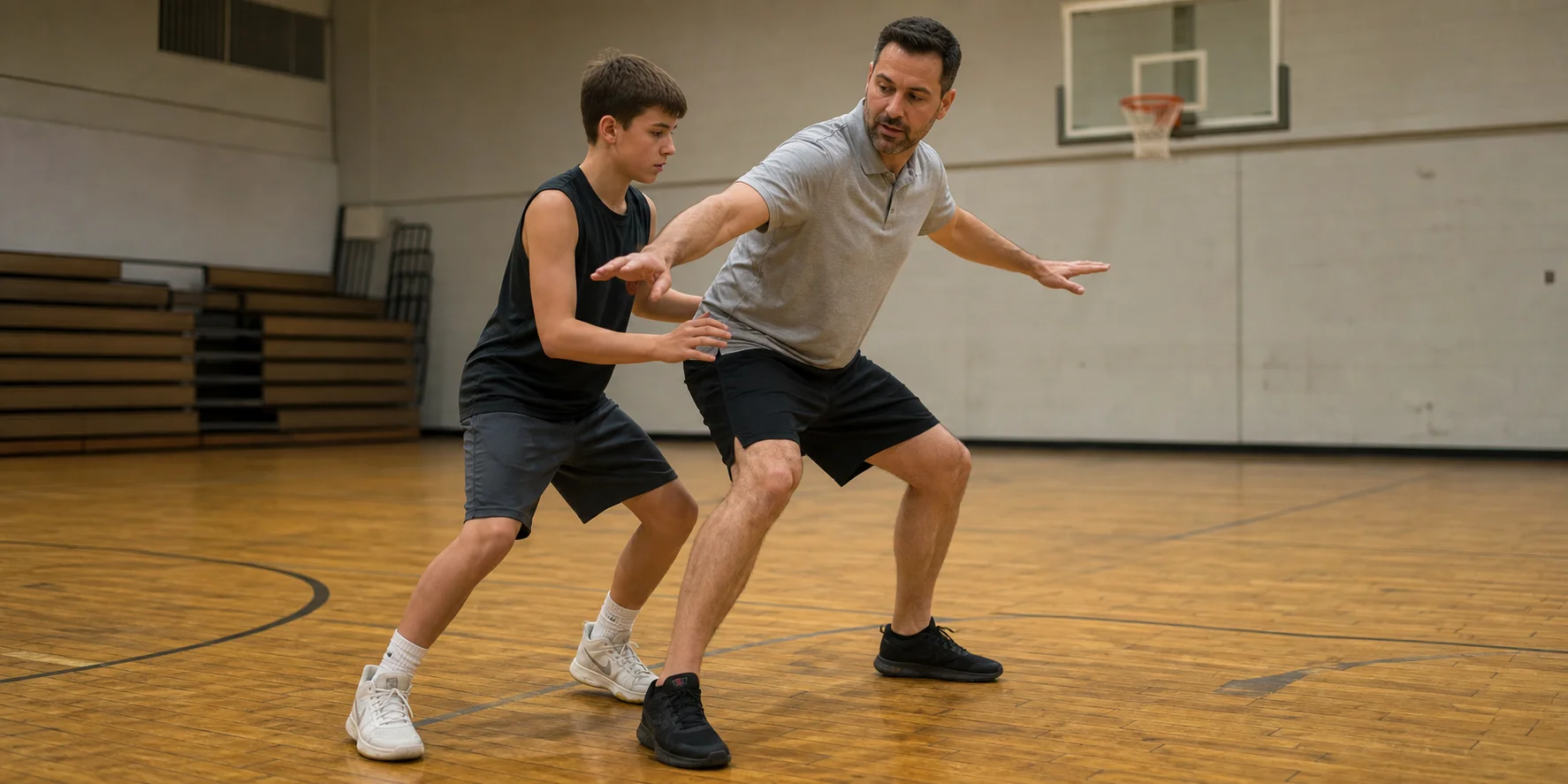
Make contact and establish position. Turn so your back is to your opponent and your body is between them and the basket. Feet wider than shoulder width, knees bent, arms out at roughly shoulder height with elbows bent to create space. This is the box out and it is the single most important rebounding fundamental.
Hold the position for a moment. The most common youth error is boxing out for half a second and then releasing to chase the ball, which allows the opponent to step around. Hold the contact until the ball is genuinely coming down.
Then go and get it. Once position is secure and the ball is descending, move to it aggressively.
On offence, position works in reverse. As an offensive rebounder your job is to avoid being boxed out, which means moving before the defender can establish contact. A quick step across their body as the shot goes up frequently gets you inside position.
Timing: Reading Where the Ball Will Go
Rebounding is substantially a reading skill, and it can be learned.
Shots rebound long more often than short. A meaningful proportion of missed shots come off the rim away from the shooter rather than dropping straight down. Players who position slightly further out collect more rebounds than those who camp directly under the basket.
Shots from the corner tend to rebound to the opposite side. A missed shot from the left corner frequently comes off toward the right side of the basket. Knowing the tendency puts you in the right place before the ball arrives.
Long shots produce long rebounds. A missed three point attempt rebounds considerably further from the basket than a missed layup. Adjusting position based on where the shot came from is one of the clearest markers of a player who understands rebounding.
Watch the shooter’s release. A shot released flat travels differently from one with high arc. Flat shots rebound harder and further. This reading develops with attention rather than talent.
Jump when the ball is coming down, not when it goes up. Young players frequently jump too early, reach the top of their jump before the ball arrives, and are descending as the rebound is collected by someone who timed it properly.
Our guide on basketball IQ training covers this reading and anticipation skill more broadly.
Technique for Securing the Ball
Getting to the ball is only part of it. Losing it after collecting it wastes the work.
Two hands whenever possible. One-handed grabs look impressive and are frequently stripped. Two hands secures possession.
Grab it high and bring it in strong. Catching the ball at the highest point available and pulling it in tight to the chest with elbows out protects it from being poked away.
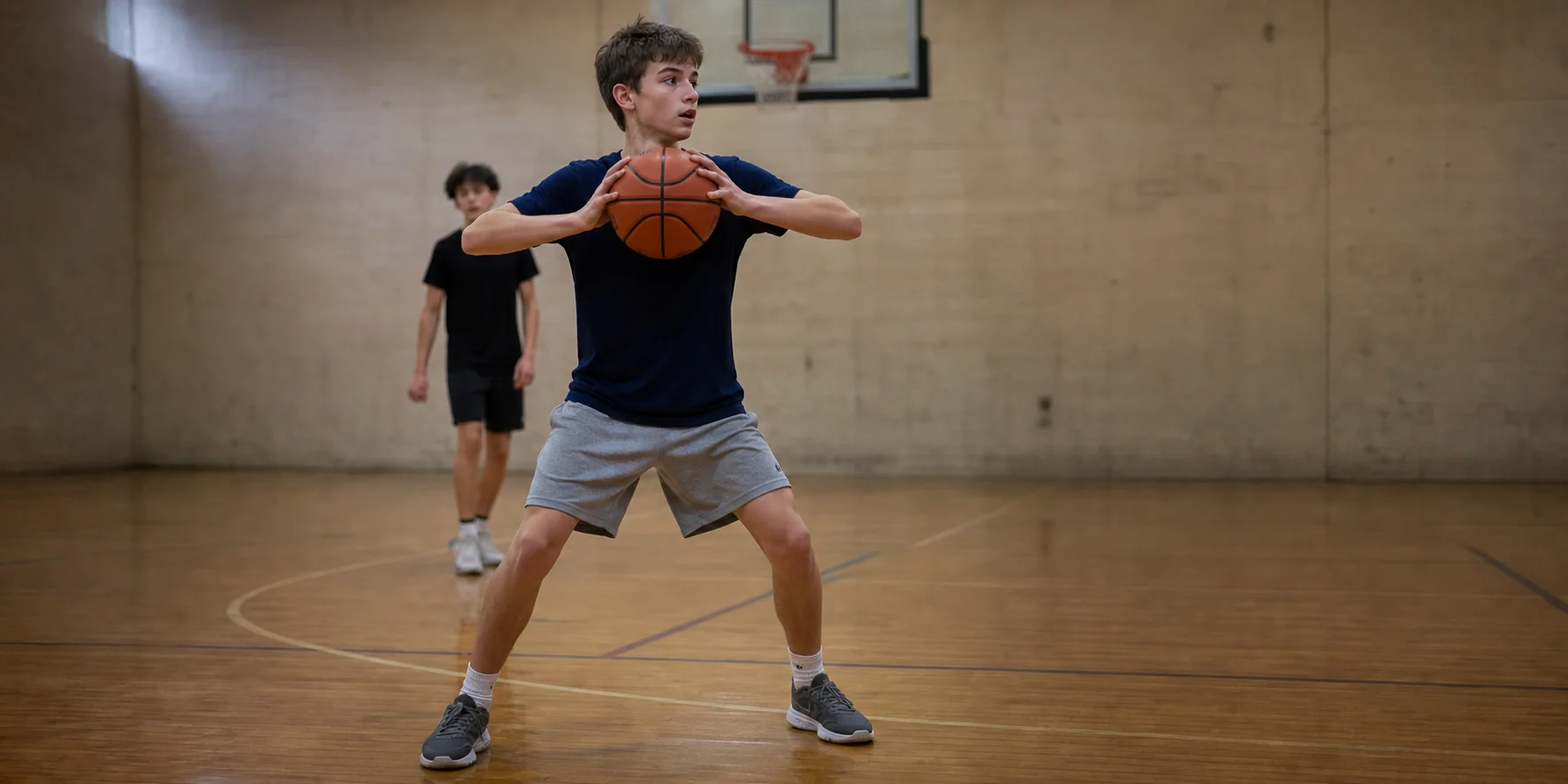
Chin the ball. Holding the ball at chin height with elbows out is the standard protective position and it prevents most steal attempts.
Land balanced with a wide base. Landing off balance leads to travelling calls or losing the ball on contact.
Look up immediately. The moment after a defensive rebound is the best transition opportunity in basketball. Rebounders who look up straight away start fast breaks. Rebounders who put their head down waste the advantage.
Protect it, do not dribble immediately. Young players frequently rebound and immediately dribble into traffic. Securing first, looking second, then deciding is the correct sequence.
The Mindset That Separates Rebounders
Technique matters, but rebounding is unusually dependent on attitude, and this is worth saying plainly to young players.
Assume every shot will miss. Players who watch to see whether a shot goes in react late. Players who move to rebound position as the shot leaves the shooter’s hand are already in place.
Accept contact. Rebounding involves physical contact. Players unwilling to make and absorb contact will not rebound well regardless of technique. This is a habit that can be built deliberately.
Pursue every ball. Some rebounds are clearly yours. Some are clearly not. The ones that decide games are the fifty-fifty balls, and those go to whoever wants them more.
Rebound when you are tired. Late in games, when everyone is fatigued, rebounding effort drops across the court. The player who maintains effort at that point collects a disproportionate share.
Take pride in it. Rebounding does not appear in highlight reels and rarely gets the recognition scoring does. Players who value it anyway, and coaches who recognise it publicly, build teams that rebound well. Our work on basketball mental toughness covers building this kind of competitive character.
Drills That Build Rebounding
Box out drill. Two players, one shot, the defensive player must box out and hold position for a full two seconds before pursuing the ball. Builds the habit of finding the body first.
Tip drill. Standing beside the basket, tipping the ball off the backboard repeatedly with one hand before catching it. Builds hand strength, timing and comfort playing the ball at height.
Rebound and outlet. Rebound, land balanced, chin the ball, then make an immediate outlet pass to a teammate. Trains the transition habit rather than just the collection.
Three player war. Three players compete for every rebound off a coach’s shot, with a point for each secured. Highly competitive and builds willingness to contest contact.
Superman drill. Starting outside the lane, chasing a ball tossed off the backboard, catching it in the air and landing with a wide base. Develops pursuit and aggressive collection.
Rebound while fatigued. Adding rebounding drills at the end of conditioning work builds the habit of maintaining effort when tired, which is when rebounds are most available.
Realistic Progress
Rebounding improves faster than almost any other basketball skill because most of it is habit rather than technique.
A player who commits to boxing out on every possession typically sees a measurable increase in rebounds within a few weeks, because so many of their opponents are not doing it.
The reading and timing element develops over a season rather than weeks, as the player builds a feel for where shots come off from different positions.
Effort and willingness to contest contact can change immediately, which is why rebounding is often the fastest way for a young player to increase their value to a team without needing to improve their shooting or handling at all.
At YouHoop our skill training classes include rebounding fundamentals as part of complete player development, because it is one of the clearest routes to earning more playing time. To find the right pathway for your athlete, book a welcome session with our team.
Youth development guidance is published by USA Basketball and AAU Basketball.


0 Comments