Building an effective basketball training routine is essential for improving performance and excelling on the court. A well-structured routine helps athletes develop their skills, build strength, and increase their mental toughness. Whether you’re a beginner or an experienced player, following a training plan is crucial to reaching your full potential. Below are the key elements to consider when building an effective basketball training routine.
1. Set Clear Goals for Your Basketball Training Routine
Setting specific, measurable, achievable, relevant, and time-bound (SMART) goals should be the first step in creating your basketball training plan. Whether your goal is to improve shooting accuracy, increase your vertical jump, or enhance your ball-handling skills, clear goals give your training routine direction and purpose.
For example, if you aim to improve your free throw percentage, your training should include drills specifically targeting shooting form and muscle memory. By having defined objectives, your basketball training routine becomes more focused and results-driven.
2. Warm-Up and Stretch Before Every Basketball Training Session
A proper warm-up is crucial before engaging in intense basketball training. Warming up prepares your muscles and joints for the physical demands of the sport and reduces the risk of injury. Start with dynamic stretches such as leg swings, high knees, and arm circles to get your body ready for action. Follow up with light jogging or jumping jacks to increase your heart rate.
Including this step in your basketball training routine ensures that your body is primed for physical exertion and helps improve your overall performance. Stretching increases flexibility, which is vital for quick pivots, smooth shooting motions, and avoiding muscle strain during games.
3. Focus on Core Skills During Your Basketball Training Routine
Every basketball training session should focus on developing core skills that are fundamental to the game. These include shooting, dribbling, passing, and defense. Incorporate drills that target each of these areas. For example:
- Shooting drills: Work on shooting form, footwork, and shooting from different spots on the court.
- Ball-handling drills: Use cone dribbles and two-ball drills to improve control and dexterity.
- Passing drills: Practice chest passes, bounce passes, and overhead passes to improve accuracy and timing.
- Defensive drills: Work on lateral movement, defensive stances, and reading the offensive player’s next move.
By consistently practicing these core skills, your basketball training routine ensures all-around improvement in your gameplay.
4. Incorporate Strength and Conditioning into Your Basketball Training
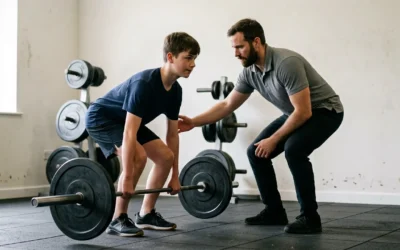
A key aspect of any basketball training program is building strength and conditioning. Stronger muscles help athletes move faster, jump higher, and withstand physical challenges during the game. Focus on exercises that improve your lower body strength (e.g., squats, lunges) for explosive jumping ability and your upper body (e.g., push-ups, bench press) to enhance shooting power and body control.
Adding plyometric exercises, such as box jumps and burpees, into your basketball training routine will also improve your agility and explosiveness. Combine these strength-building exercises with cardiovascular training like running, cycling, or interval training to enhance your stamina.
5. Balance Individual Training and Team Drills
A successful basketball training routine combines both individual skill development and team practice. While it’s important to work on your personal skills through individual drills, it’s equally essential to understand the dynamics of playing within a team. Participate in team drills to improve communication, coordination, and team strategy.
During basketball training sessions, practice set plays, defensive rotations, and offensive transitions. This not only prepares you for real-game scenarios but also teaches you how to work with teammates to execute strategies effectively.
Learn more about effective basketball training techniques.
6. Mental Conditioning: The Key to Consistent Performance
Mental toughness is often what separates great players from good ones. Developing mental conditioning should be a priority in your basketball training routine. Visualization, goal setting, and meditation can help improve focus and confidence, especially when the pressure is on during games.
Incorporate mindfulness practices into your basketball training sessions. Take a moment before practice to visualize yourself executing perfect shots or making a game-winning play. Positive self-talk and mindfulness will improve your ability to stay calm under pressure, a key trait for success in high-stakes basketball situations.
7. Rest and Recovery: The Overlooked Aspect of Basketball Training
An effective basketball training routine is not just about the hours you put in on the court, but also about the time you allow your body to rest and recover. Overtraining can lead to burnout, fatigue, and injuries, which can hinder your progress.
Incorporate rest days into your training schedule to allow your muscles to repair and grow stronger. Active recovery activities like yoga, swimming, or light stretching can help reduce muscle soreness and maintain flexibility, ensuring that your basketball training continues to be effective over time.
8. Track Progress and Adjust Your Basketball Training Routine
To ensure your basketball training is effective, track your progress regularly. Keep a journal or use an app to monitor your skills development, strength gains, and physical fitness levels. If you notice a plateau or lack of progress in certain areas, make adjustments to your routine.
For example, if your shooting accuracy hasn’t improved, you might need to change up your shooting drills or seek feedback from a coach. Tracking your performance is key to ensuring your basketball training evolves and adapts to meet your goals.
You may find this blog valuable too “How to Continuously Improve Your Basketball Skills with Practice”


0 Comments