When investing in a basketball hoop, the choice between portable and fixed systems can significantly impact your playing experience. This comprehensive guide explores every aspect of basketball hoops, from technical specifications to installation requirements, helping you make an informed decision for your specific needs.
Understanding Basketball Hoop Construction and Components
Every basketball hoop, whether portable or fixed, consists of several crucial elements:
- Backboard: The flat surface where the ball rebounds
- Materials range from tempered glass to acrylic and polycarbonate
- Sizes typically vary from 44″ to 72″ width
- Professional regulation size is 72″ × 42″
- Rim: The metal circle where the ball passes through
- Standard diameter of 18 inches
- Types include:
- Standard fixed rims
- Breakaway rims with spring mechanisms
- Heavy-duty breakaway rims for aggressive play
- Support Structure: The system that holds everything together
- Single-pole or multi-pole design
- Various thickness options (3″-6″ diameter)
- Height adjustment mechanisms
Portable Basketball Hoops: In-Depth Analysis
Portable basketball hoops have evolved significantly, incorporating sophisticated design elements:
- Base Technology
- Capacity ranges from 27 to 42 gallons
- Fill materials: Water or sand (sand provides better stability)
- Some models feature dual-fill ports for easier maintenance
- Advanced bases include built-in wheel systems
- Height Adjustment Mechanisms
- Pneumatic systems
- Crank handle systems
- Telescoping mechanisms
- Quick-adjust triggers
- Height range typically 7.5′ to 10′
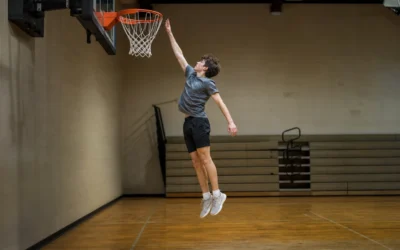
Here is a basketball hoop heights guide
Advantages
Beyond basic mobility, portable basketball hoops offer:
- Customizable Playing Configurations
- Multiple court setups for different game types
- Ability to adjust for optimal sun positioning
- Easy modification for different playing surfaces
- Storage Optimization
- Seasonal storage options
- Space-saving designs for garage storage
- Weather protection capabilities
Performance Considerations
Understanding the performance aspects of portable hoops:
- Stability Factors
- Wind resistance ratings
- Base weight distribution
- Support pole rigidity
- Backboard response
Fixed Basketball Hoops: Technical Deep Dive
Installation Specifications
Fixed basketball hoops require precise installation:
- Foundation Requirements
- Concrete pad specifications (typically 24″ × 24″ × 24″)
- Soil composition considerations
- Anchor bolt requirements
- Professional installation recommendations
- Structural Components
- Steel pole thickness (typically 4″-6″ diameter)
- Support gussets and brackets
- Extension arm specifications
- Weather-resistant coating systems
Professional-Grade Features
- Backboard Technology
- Tempered glass thickness (3/8″ to 1/2″)
- Professional-grade padding
- Enhanced rebound characteristics
- Frame support systems
- Advanced Rim Systems
- Pro-style breakaway mechanisms
- Spring tension adjustments
- Anti-whip net attachments
- Dual compression springs
Performance Comparison Matrix
Stability Analysis
- Portable Hoops
- Base weight: 200-400 lbs when filled
- Backboard movement: 2-4 inches during play
- Wind tolerance: up to 40 mph
- Fixed Hoops
- Foundation weight: 1000+ lbs
- Backboard movement: <1 inch during play
- Wind tolerance: 60+ mph
Making Your Decision: Advanced Considerations
Environment Assessment
- Climate Factors
- Annual temperature range
- Precipitation levels
- Wind exposure
- UV radiation exposure
- Installation Location
- Surface material analysis
- Space availability
- Neighborhood regulations
- Underground utility considerations
Player Profile Analysis
- Skill Level Considerations
- Recreational vs. competitive play
- Age and height of players
- Playing frequency
- Shot preferences
Investment and Long-Term Value
Cost Analysis
- Initial Investment
- Portable systems: $100-$1000
- Fixed systems: $500-$2000+
- Installation costs (fixed only): $200-$500
- Maintenance Costs
- Annual maintenance requirements
- Replacement part considerations
- Warranty coverage comparison
Conclusion: Making the Final Choice
The decision between portable and fixed basketball hoops ultimately depends on a careful evaluation of your specific circumstances. Consider these key factors:
- Choose Portable Basketball Hoops If:
- You need flexibility in court setup
- You’re renting or planning to move
- You have limited space
- You’re working with a lower budget
- Choose Fixed Basketball Hoops If:
- You want professional-level play
- You have a dedicated court space
- You’re focused on long-term value
- You prioritize stability and durability
Remember that both types of basketball hoops can provide excellent playing experiences when properly matched to your needs and circumstances. Consider all factors discussed in this guide to make an informed decision that will enhance your basketball experience for years to come.
You might be interested in this blog as well “The Evolution of Basketball Hoops: From Driveways to Arenas”



0 Comments