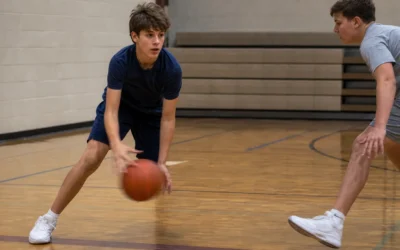
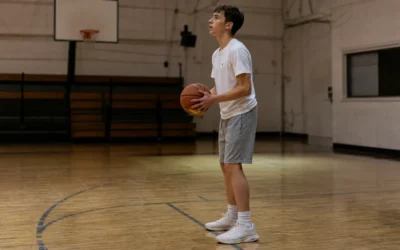
Two Goals, One Vision: Discover Our Dual-Objectives Approach

The big picture perspective at You Hoop is in long-term growth and success. Our approach is that if we are going to show up to compete, then the absolute goal is to win! Every athlete in our program will grow to learn that winning matters – on the court and in life, but it isn’t everything. Sometimes we’ll win and sometimes we’ll learn, and the simple fact of the matter is that we can’t win all the time.

When winning the game isn’t an option, our second objective is to find an aspect of the game where we can and win what is within our control. Ultimately, we must identify what is preventing us from meeting our objectives, learn from our mistakes and challenges, and immediately get to work on improving those things. Failing to learn from our mistakes is the biggest loss we can ever experience and learning from adversity is a skill applicable for life.

It’s important that we provide our players with a challenging environment that stimulates their physical, mental, and emotional growth where they can learn to strive for excellence in personal development, skill acquisition, teamwork, and leadership through healthy competition. Our program vision is to emphasize a set of core values and habits that lead to responsible decisions, servant leadership, and successful actions that are designed to shape character and achieve maximum performance on and off the court. Come experience the power of our dual-objectives philosophy and join us at You Hoop Organization.

CLAIM YOUR FREE SESSION!

ENHANCE YOUR SKILL AND UNLOCK YOUR POTENTIAL.

Try us out for FREE and receive your custom evaluation.

Frequently Asked Questions

Is knee pain normal in young basketball players?

It is common, particularly during growth spurts in players aged roughly ten to fifteen. Common is not the same as something to ignore. Pain persisting more than two weeks warrants assessment by a doctor or physiotherapist.

Should my child stop playing basketball if their knee hurts?

Not necessarily. Complete rest settles symptoms but does not build the capacity needed for return, which is why the pain frequently comes back. Load management, reducing volume while staying active, is generally more effective, but the specific plan should come from a professional who has assessed your child.

How long does growth-related knee pain last?

It varies considerably and can persist for months, sometimes longer, typically resolving as growth plates mature. Early and appropriate management shortens the disruption significantly compared to repeated rest and relapse cycles.

Can my child play through knee pain?

Mild discomfort that settles quickly after activity is different from pain that increases through a session or persists into the next day. The second means the load was too high. A professional assessment should guide what level of activity is appropriate.

What can we do to prevent knee pain during a growth spurt?

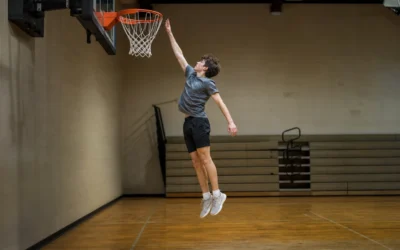
Avoid sharp increases in jumping and sprinting volume, build strength around the knee with age-appropriate supervised training, coach landing mechanics, track total load across all teams and activities, and monitor growth so you know when your child is in a higher-risk window.

Related Posts

Comments

0 Comments

Submit a Comment

Your email address will not be published. Required fields are marked *