Teaching
basketball drills for beginners is a crucial part of developing young athletes’ skills and building their love for the game. By starting with fundamental movements and progressively introducing more complex techniques, coaches can create a positive and productive environment for players to grow. Below are key strategies and basketball drills for beginners that can set the foundation for success.
1. Start with Simple Drills for Beginners to Build Confidence
When working with beginners, simplicity is key. Start by teaching them basic
basketball drills for beginners that focus on core skills like dribbling, passing, and shooting. These drills should be easy to follow and allow young athletes to feel confident as they practice. A great starting drill is the
stationary dribbling drill. Have players dribble the basketball while standing still, encouraging them to focus on keeping the ball under control and using both hands. This drill helps beginners develop the essential dribbling technique and control they need before progressing to more advanced skills.
2. Introduce Dribbling and Ball Control Drills for Beginners
Ball control is one of the most important fundamentals of basketball. Without it, players will struggle to move the ball effectively. Basic
basketball drills for beginners should include exercises like the
Figure 8 Dribble Drill, where players dribble the ball in and out of their legs in a figure-eight pattern. This drill improves hand-eye coordination and ball handling, while also enhancing the player’s comfort level with the ball. Additionally, introduce
zig-zag dribbling drills where players dribble the ball up and down the court, weaving in and out of cones. This drill not only builds control but also develops agility and decision-making under pressure.
3. Passing Drills for Beginners to Strengthen Teamwork
Passing is a fundamental skill that should be emphasized early on in a player’s development.
Basketball drills for beginners should include various passing drills to help athletes improve their accuracy and timing with teammates. A simple drill is the
partner passing drill, where two players pass the ball back and forth to each other from different distances. Encourage players to work on both chest passes and bounce passes, ensuring they focus on using the correct form. Another effective drill is the
pass and move drill, where players pass the ball and immediately move to receive a return pass. This not only helps players understand the value of passing but also encourages them to be active and involved in the flow of the game.
4. Shooting Drills for Beginners: Focus on Form and Accuracy
Shooting is one of the most exciting aspects of basketball, and
basketball drills for beginners should emphasize form and accuracy. Begin with the
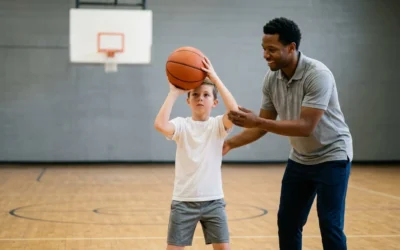
form shooting drill, where players practice shooting the ball close to the hoop with an emphasis on proper technique. This drill helps players focus on their shooting hand positioning, balance, and follow-through. As players build confidence, introduce the
spot shooting drill, where players practice shooting from various spots around the court. This drill helps develop consistency and encourages players to focus on their aim and shot technique.
5. Defensive Drills for Beginners: Building Awareness and Footwork
Defense is just as important as offense, and beginners should develop solid defensive habits early on.
Basketball drills for beginners should include footwork drills, such as the
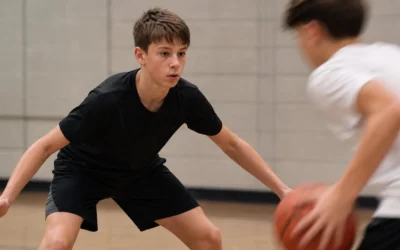
defensive shuffle drill, where players practice sliding side to side in a defensive stance. This drill teaches players to move quickly and maintain good positioning on defense. Another great drill for defensive awareness is the
close-out drill, where players sprint towards an offensive player and then stop to contest a shot or prevent a drive. This drill helps beginners improve their defensive reactions and footwork, while also teaching them the importance of positioning.
6. Incorporating Fun and Engaging Drills for Motivation
To keep young athletes engaged, it’s important to incorporate fun variations of
basketball drills for beginners. For example, you can set up shooting competitions, where players try to make the most baskets from different spots on the court. This introduces a competitive element and motivates players to work harder. Another fun drill is the
dribbling relay race, where players race against each other while dribbling the ball around obstacles. This adds excitement to the training session while still focusing on essential skills like ball control and agility.
7. Progressing from Basic to Intermediate Basketball Drills
As beginners begin to master basic skills, it’s important to gradually introduce more complex drills. Progressing from
basketball drills for beginners to intermediate drills helps players continue their growth and avoid stagnation. Start combining skills like dribbling and passing into a single drill, or incorporate team-based exercises that promote communication and strategy. For example, you can set up a
3-on-3 half-court scrimmage, where players have to apply the skills they’ve learned in a game-like situation. This progression encourages players to think critically about how their individual skills contribute to team success. Read more on
effective drills for basketball training
Conclusion: Building a Strong Foundation with Basketball Drills for Beginners
Teaching
basketball drills for beginners requires patience, consistency, and creativity. By focusing on fundamental skills like dribbling, passing, shooting, and defense, you can help young athletes build a strong foundation for success. As they grow in skill and confidence, continue to challenge them with more advanced drills and game-like situations. Ultimately, the goal is to inspire a love for the game while fostering essential values like teamwork, discipline, and perseverance. By incorporating these basic
basketball drills for beginners, coaches can ensure that players develop both the physical and mental skills needed to excel on the court. You might want to explore this blog as well “
The Role of Basketball Drills in Team Dynamics and Performance”

0 Comments