Basketball hoops are not only for competitive games; they can also be the center of a variety of fun and skill-building activities. Whether you’re practicing alone or with friends, there are countless creative ways to maximize the use of your basketball hoop. In this article, we’ll explore exciting ways to make the most of your basketball hoop for both practice and enjoyment.
1. Incorporating Targeted Shooting Drills with Basketball Hoops
One of the most creative ways to use your basketball hoop for practice is by focusing on targeted shooting drills. These drills help improve shooting accuracy, consistency, and muscle memory. For example, set up specific shooting zones around the hoop and challenge yourself to make shots from different angles. You can use cones, markers, or even spotlights to designate these areas. This approach turns your basketball hoop into a dynamic target that enhances your shooting precision.
- Free Throw Shooting: Set a goal to improve your free throw percentage by practicing from the free-throw line repeatedly.
- Three-Point Shooting: Develop your long-range shooting by marking spots around the perimeter.
- Mid-Range Drills: Incorporate quick jump shots from mid-range, working on both form and speed.
By targeting different areas of the court, the basketball hoop becomes a tool for improving multiple aspects of your shooting technique.
2. Fun Dribbling and Passing Challenges Using Your Basketball Hoop
The basketball hoop doesn’t just serve as a target for shooting; it can also play a pivotal role in your dribbling and passing drills. Set up a course around the hoop with cones or obstacles to simulate defenders. The goal is to weave through the obstacles, maintain control, and finish by making a shot. This improves both ball-handling and court vision.
Additionally, you can practice passing drills with a partner or even solo by bouncing the ball off the backboard. Try to aim for a specific spot on the backboard or rim to improve the accuracy and strength of your passes.
3. Using Basketball Hoops for Competitive Shooting Games
A fun and engaging way to enjoy your basketball hoop is by turning practice into a competitive game. Playing games like “HORSE” or “Around the World” adds excitement while honing your shooting skills. In “HORSE,” players take turns attempting different shots from various angles, and the others must replicate the shot. If they fail, they receive a letter, and the first to spell “HORSE” loses.
“Around the World” is another shooting game that challenges players to make baskets from designated spots around the hoop. This keeps the game dynamic and enjoyable while giving players the opportunity to practice a variety of shots. Incorporating these games into your routine can help maintain enthusiasm for practice, especially for younger players.
4. Enhancing Vertical Jump with Basketball Hoops
Improving your vertical jump is essential for becoming a better basketball player, and your basketball hoop can play a role in this. Jumping drills using the hoop can help you increase your vertical leap, making you more explosive when it comes to rebounding and dunking.
- Jumping to Reach the Rim: Practice jumping as high as you can to touch the rim or net. Try to reach the highest point possible consistently.
- Dunking Practice: If you’re able, practice dunking on a lower hoop. Dunking increases your vertical leap and helps develop lower body strength.
These vertical jump exercises, when done regularly, can contribute to improving your overall performance on the court, especially in areas like rebounding and finishing at the basket.
5. Basketball Hoops for Skill-Focused Solo Training
Solo training with the basketball hoop can be incredibly effective, as it allows you to focus on specific skills without distractions. Practice different techniques such as:
- Footwork Drills: Use the basketball hoop to work on your pivoting, fakes, and footwork. Good footwork allows you to get open shots, create space, and defend better.
- Rebounding Techniques: Practice your timing and positioning for rebounding by shooting and then sprinting to the hoop to grab the rebound. This simulates game-like situations.
Solo drills help build individual skills, giving you a chance to refine your technique and improve your overall basketball IQ.
Learn more about basketball training plans to improve your skills.
6. Team-Based Drills Around the Basketball Hoop
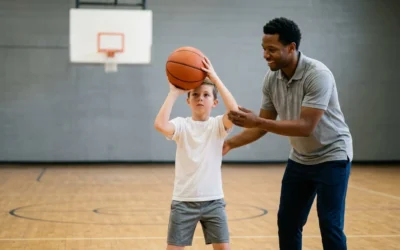
While the basketball hoop is perfect for solo drills, it also plays an essential role in team-based practice. Work on passing drills where players pass to each other while moving around the court. These drills improve team coordination, passing speed, and the ability to read the defense.
Pick and roll drills are another effective way to use your basketball hoop for team practice. These drills simulate real-game situations where one player sets a screen, rolls to the basket, and finishes with a shot at the hoop. By incorporating team drills around the basketball hoop, you can improve not only individual performance but also overall team chemistry.
7. Fun Outdoor Practice with Adjustable Basketball Hoops
If you have an adjustable basketball hoop in your driveway or yard, it opens up even more opportunities for creative training. You can lower the hoop for younger players to practice layups and shooting drills or raise it to simulate high-level basketball play. This versatility allows players of all ages and skill levels to benefit from the basketball hoop.
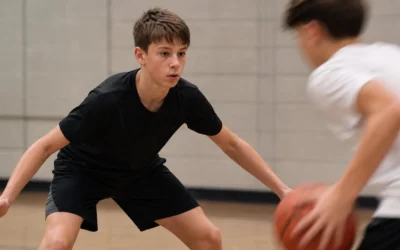
Additionally, having an adjustable hoop makes it easy to set up different practice scenarios, like working on shooting over a defender or practicing contested shots.
Conclusion
The basketball hoop is an incredibly versatile tool for both practice and fun. Whether you’re working on shooting accuracy, developing ball-handling skills, or enhancing your vertical leap, your basketball hoop provides endless opportunities for improvement. By incorporating creative drills and activities into your routine, you’ll not only become a better player but also enjoy the process of learning and growing on the court. Embrace these methods to make the most of your basketball hoop and transform your training sessions into exciting, skill-enhancing experiences.
You might want to explore this blog as well “How to Choose the Right Basketball Hoop for Your Game”

0 Comments