The Reward for Being a Great Teammate

Being a great teammate is an essential quality that can lead to success in any endeavor. When you learn to work with others effectively, it can help you achieve your goals faster and more efficiently. While it is often its own reward to be part of a successful team, there are also many other benefits to being a great teammate. Let’s explore three rewards and benefits that come from being a great team player.

Someone will always want you to be a part of their team!

A great teammate is an invaluable asset that people will seek when putting together a winning team. When you are a great team player, you bring a positive attitude, strong work ethic, and high-value skills to the table. Furthermore, you are dependable and reliable, which makes others trust and respect you. Being a great teammate means that you contribute to the success of the team, and it’s just one of the reasons why someone would always want you to be a part of their team.

Someone values you as an individual and values your skill.

Great teams are made of great individuals that bring unique skills and qualities to the team dynamic. When you are a person that has something valuable to contribute and your individual contributions help to make the team successful, you can be a tremendous asset. When the members of a team trust, feel, and know that their contributions are valued, a culture of ownership and accountability can be established where every member takes pride in their work and strives for excellence.
Someone appreciates who you are and the value that you bring!

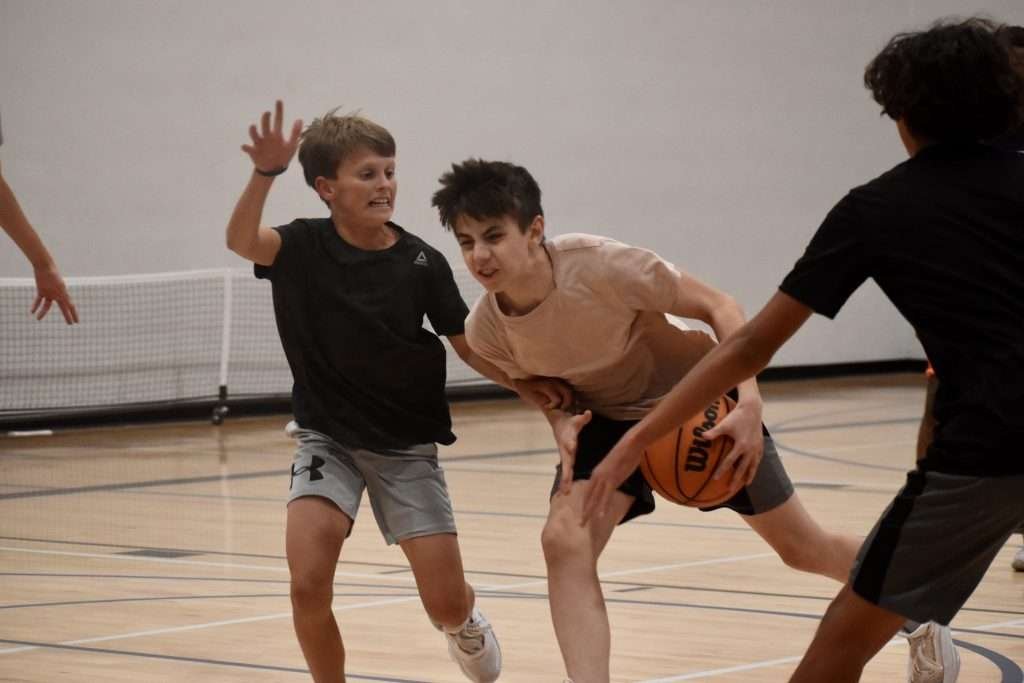
Expressing gratitude and appreciation for being a great teammate is fundamental to building a strong and cohesive team. On great teams, players will go above and beyond what is expected to acknowledge a teammate’s efforts and let them know how much they value their contributions. Saying “great job,” “nice shot” or “way to go” can be huge in making someone feel appreciated. A little gratitude can go a long way to help bridge team chemistry, foster greater teamwork, and create a positive culture where everyone appreciates the value of the team.

CLAIM YOUR FREE SESSION!

ENHANCE YOUR SKILL AND UNLOCK YOUR POTENTIAL.

Try us out for FREE and receive your custom evaluation.

Frequently Asked Questions

How do I know if my child's coach is truly bad or just strict?

The key distinction is whether the coaching behaviour, however challenging, is in service of athlete development or in service of something else. A strict coach who demands high standards, gives critical feedback, and holds athletes accountable to expectations is likely, however uncomfortable, developing your child. A coach who uses humiliation as a tool, shows clear favouritism without developmental rationale, or makes athletes feel genuinely unsafe is a different matter entirely.

Should I approach the coach alone or with other concerned parents?

Approach alone first. A group approach feels like a confrontation even when it is not intended that way and rarely produces the open, honest conversation that resolves concerns. If your individual conversation does not produce resolution and multiple families share the same concern, escalating collectively to programme leadership is appropriate.

What if the coach retaliates against my child after I raise concerns?

Retaliation against an athlete because their parent raised a legitimate concern is one of the clearest indicators that this is not the right programme for your child. Document specific instances with dates and descriptions. Bring these to programme leadership immediately. A programme that permits coaching retaliation against athletes is one that does not meet the standards of a development-first youth basketball environment.

Is it ever appropriate to pull my child from a session because of a coaching concern?

Removing a child from an active session because of a disagreement with a coaching approach is generally counterproductive and teaches children that authority can be overridden by parental intervention whenever it is uncomfortable. The appropriate response to in-session concerns is to document what you observe and raise it through the proper process after the session. The exception is a genuine immediate safety concern that requires intervention in the moment.

How do I help my child if they have lost confidence because of negative coaching?

Confidence lost through negative coaching is rebuilt through positive competitive experiences in environments where the athlete receives genuine, specific encouragement for their effort and growth. More individual skill work in low-pressure contexts, more time in environments where they feel competent and valued, and a patient rebuilding of the specific skills that feel most fragile are the practical approaches. Time in the right programme environment with coaches who genuinely invest in every athlete heals this damage faster than almost anything else.

Related Posts

Comments

0 Comments

Submit a Comment

Your email address will not be published. Required fields are marked *