Crafting the Art of Resilient Leadership

When do you step up to lead

In times of crisis or hardship, leadership becomes more important than ever. It’s easy to be a leader when everything is going smoothly, but it takes a special kind of person to step up during tough times or in the face of adversity.  Whether you’re leading a basketball team, a company, or a community, here are a few tips to help you become a better leader during difficult times.

When the fight is toughest…the leader takes the hits.

Leadership is not an easy task. During periods of adversity, the leader often takes the hits, both literally and figuratively. This is because the leader is mostly responsible for the success or failure of the team or organization. The leader often has to take ownership and accountability to bear the brunt of scrutiny when things go wrong. However, a good leader understands that taking the hits is part of the job and uses it as an opportunity to learn, grow, and lead the others towards success.
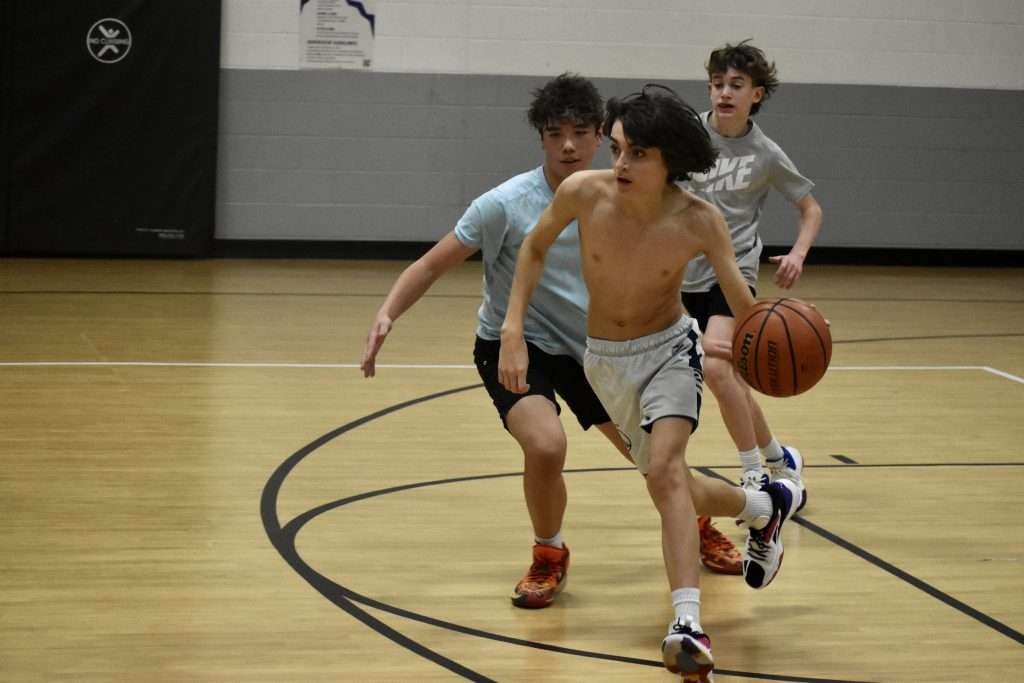
When there are problems…the leader seeks to find solutions.

When things are toughest, it’s easy to feel overwhelmed and focus on everything that is going wrong. This is often when we let your emotions take over. But as a leader, it’s your job to keep a level head, make rational decisions, and find solutions. Take a step back, assess the situation, and come up with action items that address the immediate challenges. Be transparent about what’s going on and make sure everyone knows how they can contribute toward the solution.

When there’s doubt or uncertainty …the leader instills confidence.

The best leaders play a crucial role in instilling confidence in others, especially when there is doubt or uncertainty. They can provide guidance and support to those around them or to their teammates. By communicating openly with their teammates and leading by example, they also empower others to take ownership. Building a positive and supportive environment, leaders can help their teammates to feel more confident and capable, even in challenging situations.


CLAIM YOUR FREE SESSION!

ENHANCE YOUR SKILL AND UNLOCK YOUR POTENTIAL.

Try us out for FREE and receive your custom evaluation.

Frequently Asked Questions

How do I know if my child's coach is truly bad or just strict?

The key distinction is whether the coaching behaviour, however challenging, is in service of athlete development or in service of something else. A strict coach who demands high standards, gives critical feedback, and holds athletes accountable to expectations is likely, however uncomfortable, developing your child. A coach who uses humiliation as a tool, shows clear favouritism without developmental rationale, or makes athletes feel genuinely unsafe is a different matter entirely.

Should I approach the coach alone or with other concerned parents?

Approach alone first. A group approach feels like a confrontation even when it is not intended that way and rarely produces the open, honest conversation that resolves concerns. If your individual conversation does not produce resolution and multiple families share the same concern, escalating collectively to programme leadership is appropriate.

What if the coach retaliates against my child after I raise concerns?

Retaliation against an athlete because their parent raised a legitimate concern is one of the clearest indicators that this is not the right programme for your child. Document specific instances with dates and descriptions. Bring these to programme leadership immediately. A programme that permits coaching retaliation against athletes is one that does not meet the standards of a development-first youth basketball environment.

Is it ever appropriate to pull my child from a session because of a coaching concern?

Removing a child from an active session because of a disagreement with a coaching approach is generally counterproductive and teaches children that authority can be overridden by parental intervention whenever it is uncomfortable. The appropriate response to in-session concerns is to document what you observe and raise it through the proper process after the session. The exception is a genuine immediate safety concern that requires intervention in the moment.

How do I help my child if they have lost confidence because of negative coaching?

Confidence lost through negative coaching is rebuilt through positive competitive experiences in environments where the athlete receives genuine, specific encouragement for their effort and growth. More individual skill work in low-pressure contexts, more time in environments where they feel competent and valued, and a patient rebuilding of the specific skills that feel most fragile are the practical approaches. Time in the right programme environment with coaches who genuinely invest in every athlete heals this damage faster than almost anything else.

Related Posts

Comments

0 Comments

Submit a Comment

Your email address will not be published. Required fields are marked *