If you ask any successful coach, parent, or teen basketball player themselves, they’ll tell you that confidence is more than just a feel-good mentality – it’s the foundation for every move they make on the court. From dribbling past defenders to sinking clutch free throws, teen basketball players who believe in themselves are unstoppable. But how do we cultivate this essential quality in our young athletes? The answer is simple: by creating a nurturing environment that fosters confidence and a love for the game. Here, we’ll unveil 7 slam-dunk strategies designed to turn your teen basketball players into stars on the court and confident individuals off it!

1 Teen Basketball Players and the Power of Visualization
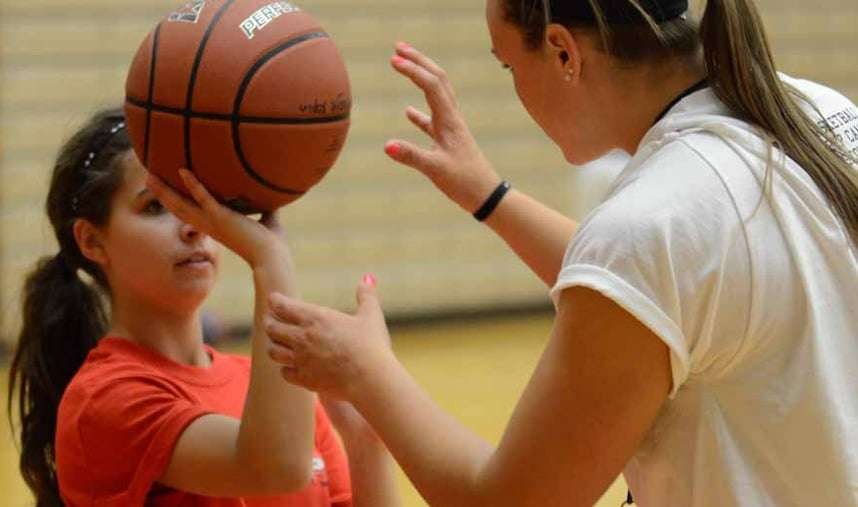
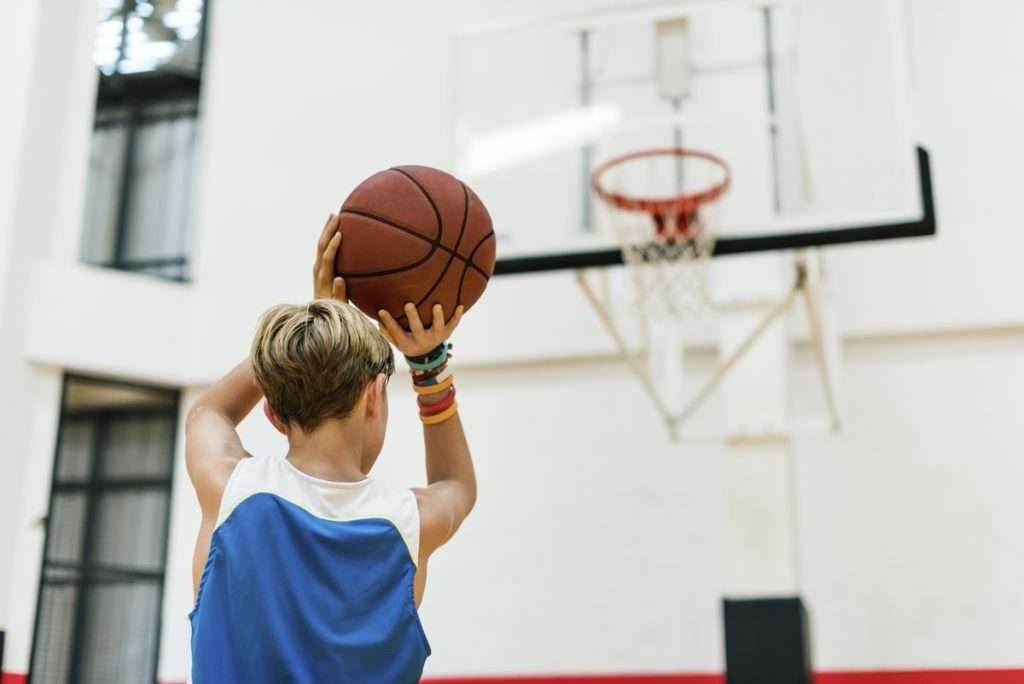
Visualization isn’t just a daydream – it’s a powerful mental tool that can propel your teen players to greatness. Encourage them to visualize success on the court, from making that game-winning shot to executing a flawless defensive play. By mentally rehearsing their triumphs, they’ll build confidence and resilience in the face of challenges.
2 Building Confidence in Teen Basketball Teams
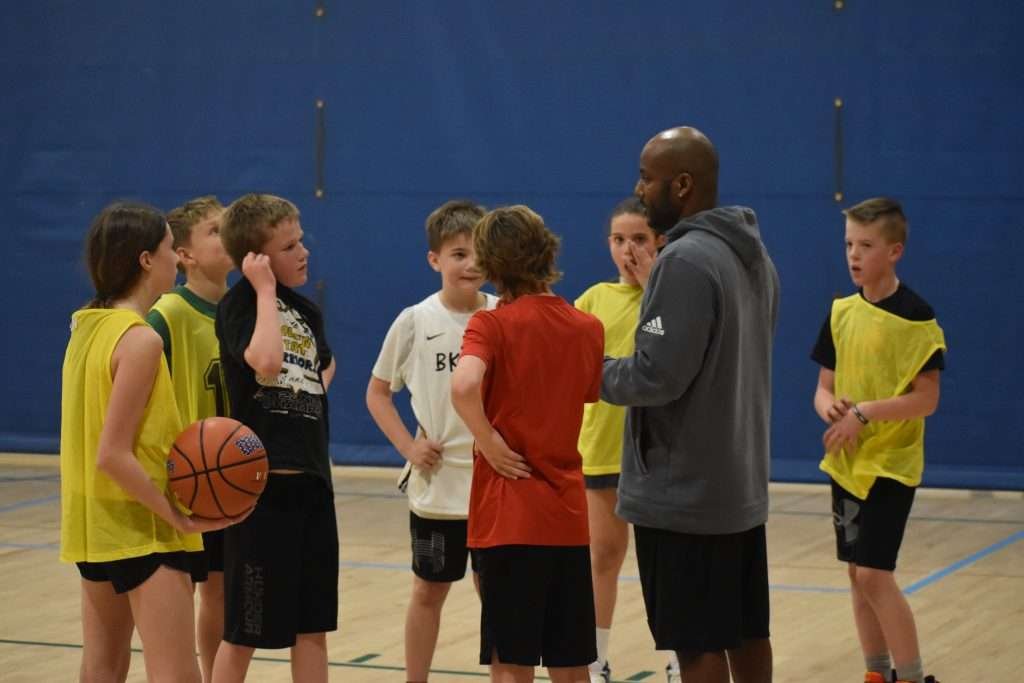
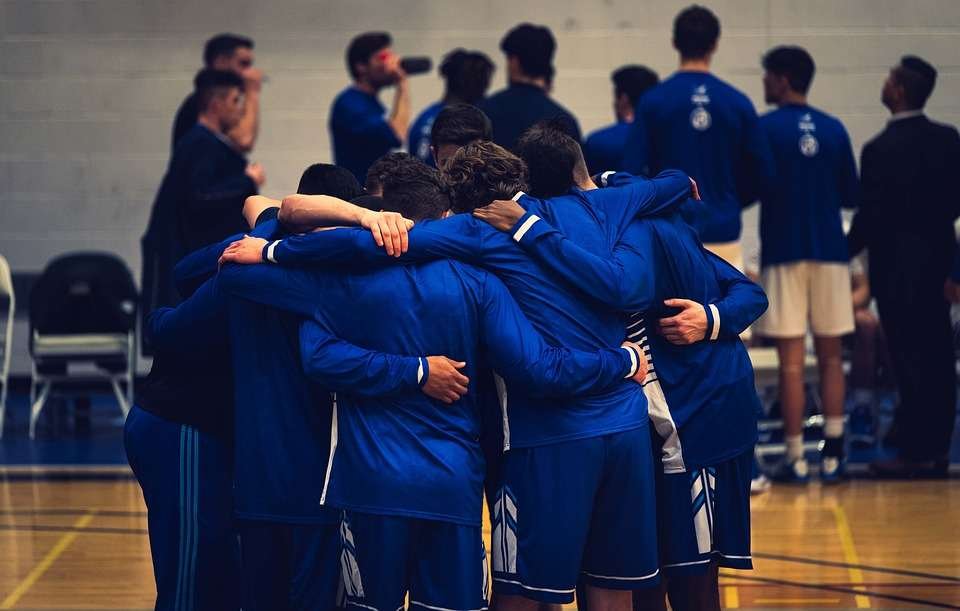
Gather your team in a circle, hands in the middle, and let the positivity flow! A good old-fashioned pep talk can work wonders for boosting confidence and team spirit. Remind your players of their unique talents, strengths, and the sheer joy of playing the game. Shower them with words of encouragement and praise, and watch as their confidence soars to new heights.
3 Fun Drills, Serious Skills:
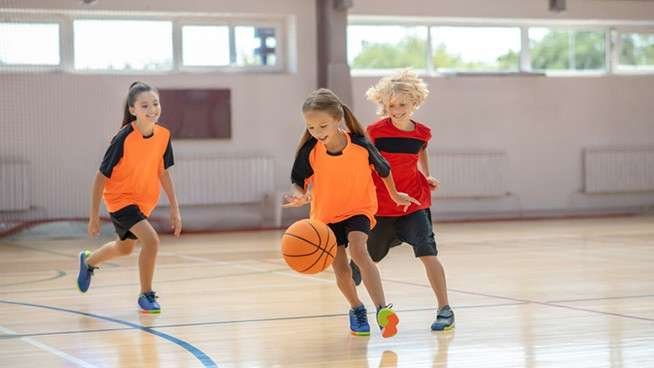
Who says practice has to be dull and repetitive? Inject some excitement into your drills with creative challenges and games that hone essential basketball skills. From dribbling relays to shooting contests, the key is to keep it engaging and entertaining. Not only will your players have more fun, but they’ll also develop confidence in their abilities as they master new skills and techniques.
4 Embrace the Oops:
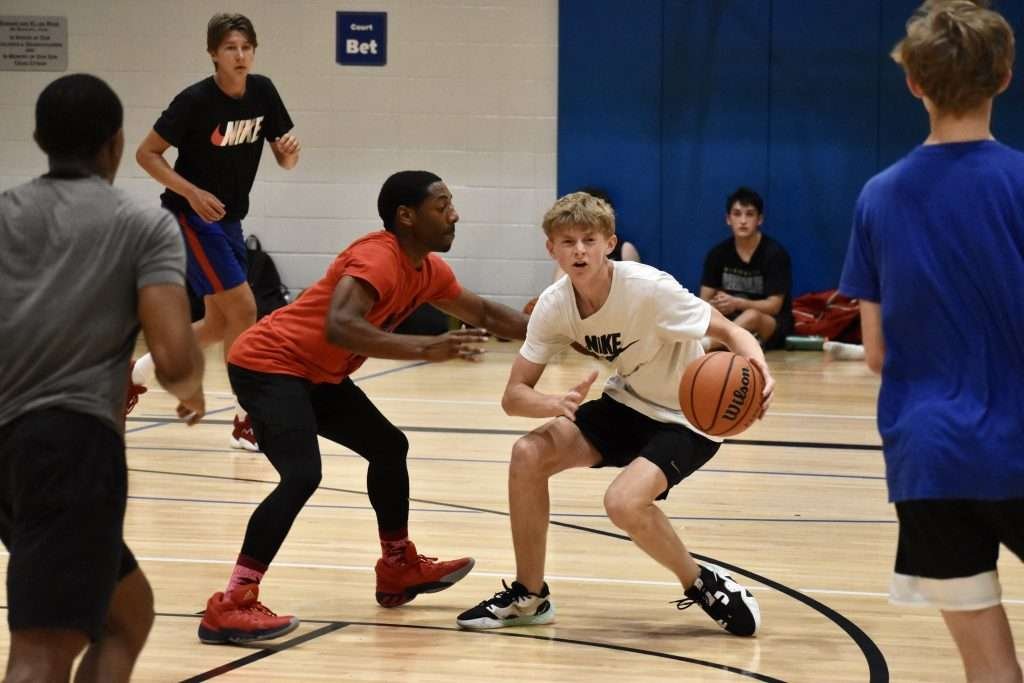
In basketball, as in life, mistakes are inevitable. Teach your players to embrace failure as a stepping stone to success. Instead of dwelling on missed shots or turnovers, encourage them to learn from their mistakes and grow stronger with each setback. A growth mindset fosters resilience and confidence, empowering your players to bounce back from adversity and thrive on the court.
5 Team Bonding Timeouts:
Basketball is more than just a game – it’s a brotherhood (or sisterhood) forged on the court and off. Schedule regular timeouts for team-building activities that go beyond the Xs and Os. Whether it’s a pizza party, a beach volleyball game, or a karaoke night, these moments strengthen friendships and build trust among teammates. When players feel connected and supported by their team, their confidence soars.
6 Corner of Encouragement:
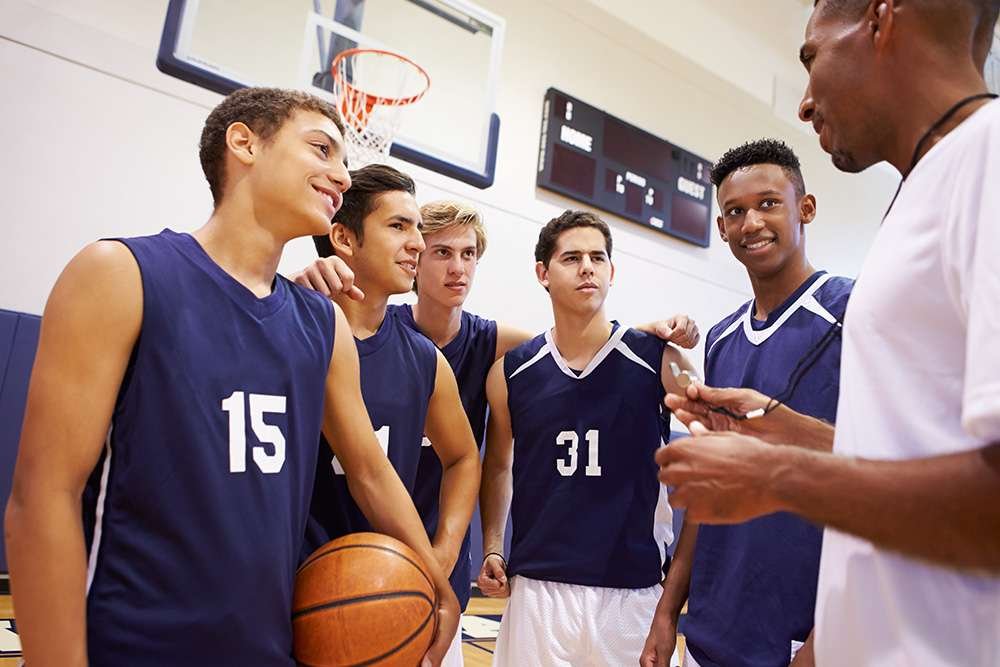
As a coach or a parent, you’re more than just a leader – you’re a mentor, a motivator, and a beacon of inspiration. Offer words of encouragement and constructive feedback that empower your players to reach their full potential. Celebrate their successes, no matter how small, and highlight their progress along the way. Your belief in their abilities fuels their confidence and drive to succeed.
7 Celebrate Every Victory:
In basketball, every victory – big or small – deserves to be celebrated. Whether it’s winning a championship or mastering a new skill, make sure to acknowledge and applaud your players’ achievements. Create a culture of celebration where every player feels valued and appreciated for their contributions to the team. When players feel recognized and supported, their confidence flourishes.
Conclusion:
Building confidence in teen basketball players is a journey of self-discovery, growth, and teamwork. By infusing positivity, fun, and camaraderie into their basketball experience, you’ll help them develop the resilience and confidence they need to shine both on and off the court. So lace up those sneakers, dribble with heart, and shoot for the stars – because when you believe in yourself, anything is possible on the basketball court and beyond!


0 Comments