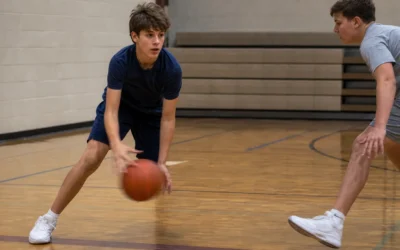
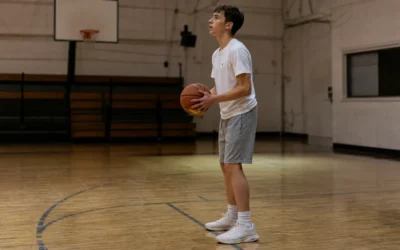
Reach Your Goals with True Player Development at You Hoop

The You Hoop program is designed to promote foundational traits of character and skill development in each and everyone of our athletes. In doing so, it’s important to understand what we are and what we are not. At You Hoop, we consider ourselves to be a bridge to competitive youth basketball and complete player development to prepare our young athletes for success at the middle school and high school level.

Our program is highly competitive at various levels and we are constantly evaluating current and new athletes to meet the development needs of each player in order to maximize and unleash their full potential. The following statements will help to define the focus and the culture of our program.

You Hoop is…

• A place to elevate your in-game performance and shape leadership potential.
• A positive, constructive, and challenging environment for learning the game.
• A program where you learn to earn your opportunity while adding value to others.
• A place for all skill levels, experience, and abilities.
• A passionate team of young leaders, coaches, and industry professionals.
• A competitive mindset that empowers effort, focus, belief, and confidence.

At You Hoop, we believe that our leadership culture builds character, forges friendships, and develops essential life skills. We invite you to experience our vibrant culture firsthand, where our passion for complete player development meets dedication, and every player is valued. We encourage you to schedule a welcome call with us online, join us for an evaluation or team practice, and see how we can help you reach your full potential on and off the court.

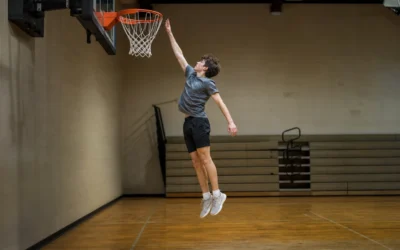
CLAIM YOUR FREE SESSION!

ENHANCE YOUR SKILL AND UNLOCK YOUR POTENTIAL.

Try us out for FREE and receive your custom evaluation.

Frequently Asked Questions

How do I know if my child's coach is truly bad or just strict?

The key distinction is whether the coaching behaviour, however challenging, is in service of athlete development or in service of something else. A strict coach who demands high standards, gives critical feedback, and holds athletes accountable to expectations is likely, however uncomfortable, developing your child. A coach who uses humiliation as a tool, shows clear favouritism without developmental rationale, or makes athletes feel genuinely unsafe is a different matter entirely.

Should I approach the coach alone or with other concerned parents?

Approach alone first. A group approach feels like a confrontation even when it is not intended that way and rarely produces the open, honest conversation that resolves concerns. If your individual conversation does not produce resolution and multiple families share the same concern, escalating collectively to programme leadership is appropriate.

What if the coach retaliates against my child after I raise concerns?

Retaliation against an athlete because their parent raised a legitimate concern is one of the clearest indicators that this is not the right programme for your child. Document specific instances with dates and descriptions. Bring these to programme leadership immediately. A programme that permits coaching retaliation against athletes is one that does not meet the standards of a development-first youth basketball environment.

Is it ever appropriate to pull my child from a session because of a coaching concern?

Removing a child from an active session because of a disagreement with a coaching approach is generally counterproductive and teaches children that authority can be overridden by parental intervention whenever it is uncomfortable. The appropriate response to in-session concerns is to document what you observe and raise it through the proper process after the session. The exception is a genuine immediate safety concern that requires intervention in the moment.

How do I help my child if they have lost confidence because of negative coaching?

Confidence lost through negative coaching is rebuilt through positive competitive experiences in environments where the athlete receives genuine, specific encouragement for their effort and growth. More individual skill work in low-pressure contexts, more time in environments where they feel competent and valued, and a patient rebuilding of the specific skills that feel most fragile are the practical approaches. Time in the right programme environment with coaches who genuinely invest in every athlete heals this damage faster than almost anything else.

Related Posts

Comments

0 Comments

Submit a Comment

Your email address will not be published. Required fields are marked *